
REVIEW: Music, Then Comedy epitomizes the best of Canadian improv

Comedy is art. Yes, even improv.
As Comedy is Art. festival curator liza paul passionately stated in her kick-off speech, the Canadian government doesn’t always give comedy the respect it deserves. The festival name clearly declares its producers’ position on the subject, with punctuation included to emphasize its directness. Comedy isn’t mere entertainment, and it isn’t just a subgenre of other art forms. Comedy itself is art. It’s that simple.
Despite Canada being the home of Just for Laughs, one of the biggest comedy festivals in the world, and despite comedy being ever-present in popular festivals like the Toronto and Edmonton Fringes Canada does not take comedy seriously.
More specifically, the Canada Council for the Arts does not consider comedy to be its own art discipline, making it almost impossible to receive funding for it. Rather, comedy is forced into pre-existing categories, with “theatre” being its closest match. Stand-up and sketch comedy typically have no set or costumes, and improv doesn’t even have a script. Since none of these abide by traditional theatre standards, comedy is often regarded as a lesser form of theatre. The Comedy is Art. festival combats this notion by highlighting the strengths of each of these subgenres, with night two focusing on improv.
Although it may not be theatre, Music, then Comedy, which I saw on that second evening, was definitely art.
Improv shows typically take suggestions, such as locations or relationships, from the audience. In Music, then Comedy, the group of performers base their completely improvised scenes on live performances of pre-existing songs from singer-songwriter Lane Webber. Curated by acclaimed writer, comedian, and director Kirsten Rasmussen, the cast features Tyra Banda, Brandon Hackett, Monica Garrido Huerta, Leigh Cameron, Ben Sosa-Wright, and Rasmussen herself. And they are all very funny, Webber included.
Through his straightforward, storytelling-style lyricism, filled with personal and often relatable themes such as love, growing older, communication issues, and “hooking up with your ex’s ex,” Webber’s music provides the perfect source material for these performers to translate into both realistic and very absurd scenarios. I was initially worried that jumping back and forth between the “serious” music and the comedic improv would be tonally jarring, but the music’s subject matter and delivery had a light-heartedness that garnered occasional laughter and allowed the two elements to feel connected throughout.
After each of the four songs, the cast jumps into an approximately 10-minute improv set inspired by the music. On the night I attended, each improv section featured an array of kooky characters that explored the themes of the music, including Hackett as a man going through a midlife crisis, Sosa-Wright and Cameron as parents-of-the-bride with an affinity for Halloween, and Rasmussen as a stranger in the park offering vials of “childhood wonder.”
As romantic as most of Webber’s music is, it was great to see that the majority of the scenes steered away from this. Rather than simply seeing funny portrayals of the contexts already described in Webber’s songs, each actor’s unique interpretation of the lyrics led to a wide variety of scenarios that kept the show feeling fresh.
The order of songs also allowed for a natural progression of the themes introduced in previous music and scenes. I especially enjoyed the second song about “being grownups soon;” its themes of existential dread and nostalgia seeped thoroughly into the rest of the show. With many of the improvised characters now either dealing with a desire for something from their past or a desire for a greater future, this gave Music, then Comedy a strong throughline for the characters to develop in further sketches.
For example, one scene in the first section focused on two friends (Sosa-Wright and Banda) having a trivial argument about a “close friends story.” With inspiration from the second song, the conflict developed into a story of dear friends who had drifted apart. By using songs to further develop the themes of what had come previously, I felt the improvisers actively engaging with Webber’s music.
Director Rasmussen is integral in keeping the momentum going throughout the show. After the cast performed for about ten minutes, she would listen for the strongest, or seemingly funniest line, before declaring the end of the improv section and transitioning back to the music.
Through her improvised lines, she also successfully sprinkled in callbacks in the latter half that allowed for the culmination of themes from the music and characters from the previous improv sections to come together in the show’s final section.
If I had to fit Music, then Comedy into the current Canada Council categories, I could use the phrase “multidisciplinary activities.” The audience witnessed a genuine artistic exchange between the musicians and the improvisers. At its core, though, it’s just really good improv.
Comedy is Art. closed on October 28. You can learn more about the festival here.
Intermission reviews are independent and unrelated to Intermission’s partnered content. Learn more about Intermission’s partnership model here.

Zoe Marin
Zoe Marin (she/her) is an Argentine-American theatre artist (director, writer, performer) and comedian (sketch, stand-up, musical comedy). She holds a BFA in Theatre from York University, and recently participated in the Toronto Fringe New Young Reviewers Program. Zoe loves: horror, comedy, music, politics, and pop culture, and hopes you see that in her work.
LEARN MORE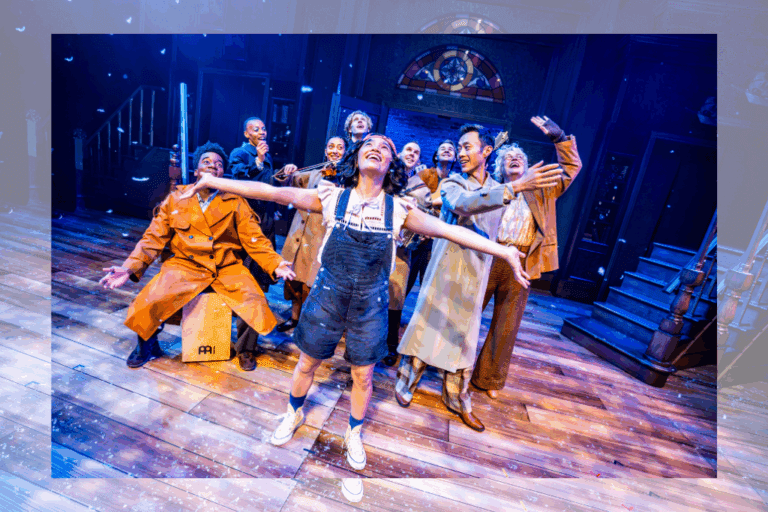 iPhoto caption: Members of the company of 'Narnia.' Photo by Dahlia Katz.
REVIEW: Bad Hats’ Narnia is a joyful, heartwarming escape
The spirit of openness and the joy of discovery rule over this Narnia. Open the wardrobe and see.
 iPhoto caption: Members of the company of 'Robin Hood.' Photo by Dahlia Katz.
REVIEW: Canadian Stage’s Robin Hood panto is anti-capitalist fun for the whole family
Following Ross Petty’s legacy of scene-stealing, Damien Atkins as the evil Prince John is easily the greatest delight of the show.
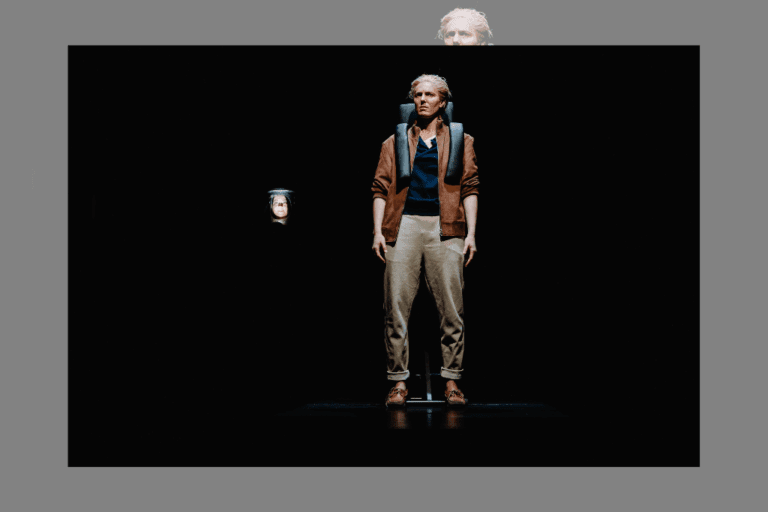 iPhoto caption: Lauren Gillis and Alaine Hutton in 'Public Consumption.' Photo by Eden Graham.
REVIEW: Lester Trips’ stylish Public Consumption captures the internet’s profound emptiness
Rather than directly representing online life, Public Consumption speculates — with virtuosity — about how the digital world affects our bodies. And the show's findings are by no means comfortable.
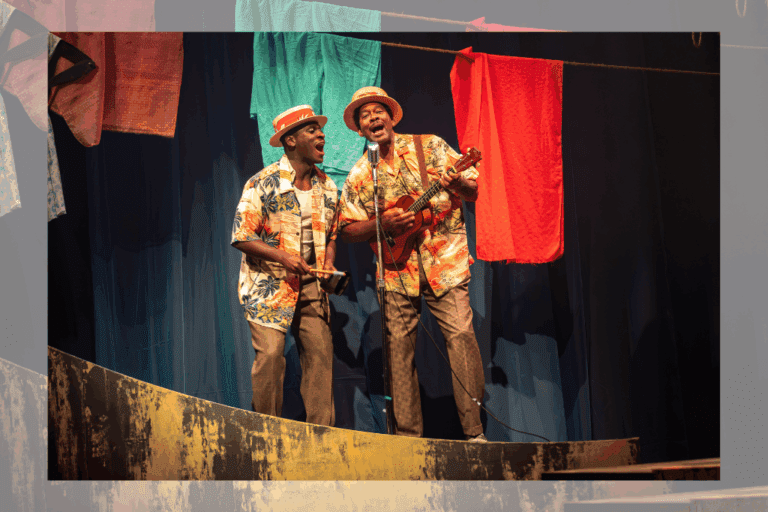 iPhoto caption: Tony Ofori and Daren A. Herbert in 'Moonlight Schooner.' Photo by Dahlia Katz.
Kanika Ambrose’s Moonlight Schooner is animated and visually stunning, but its individual pieces don’t come together as neatly as I would've expected.
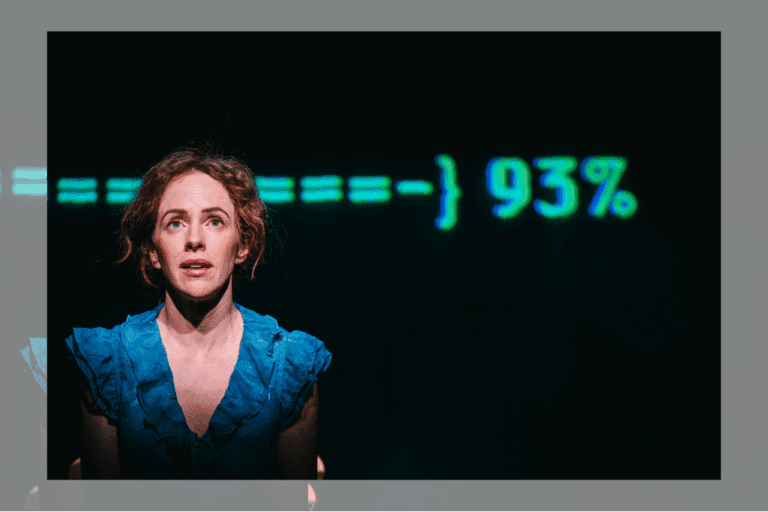 iPhoto caption: Fiona Mongillo in 'Reproduktion.' Photo by Ann Baggley.
REVIEW: Here For Now’s well-acted Reproduktion attempts to tackle too much
Amy Rutherford’s world premiere script is ambitious and the material it covers is complex — but the narrative feels disjointed.
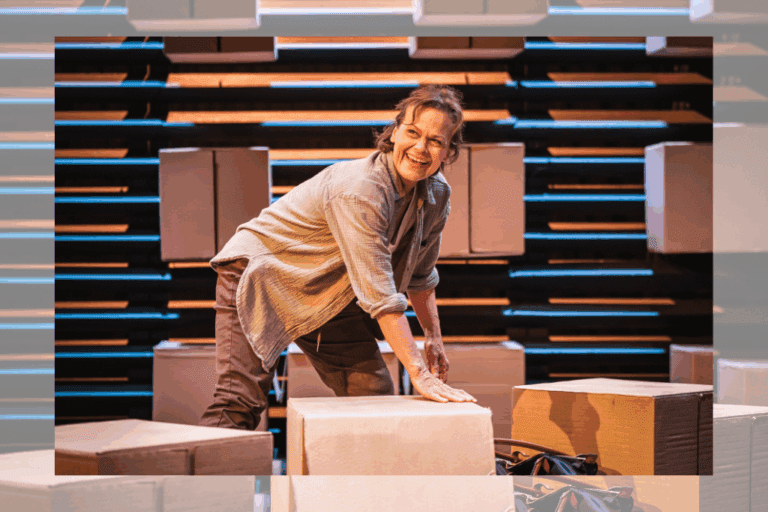 iPhoto caption: Kristen Thomson in 'Fulfillment Centre.' Photo by Elana Emer.
REVIEW: Coal Mine’s Fulfillment Centre asks how we end up alone, together
The production understands the play’s themes, yet feels limited by a script that delivers a package it never fully opens.
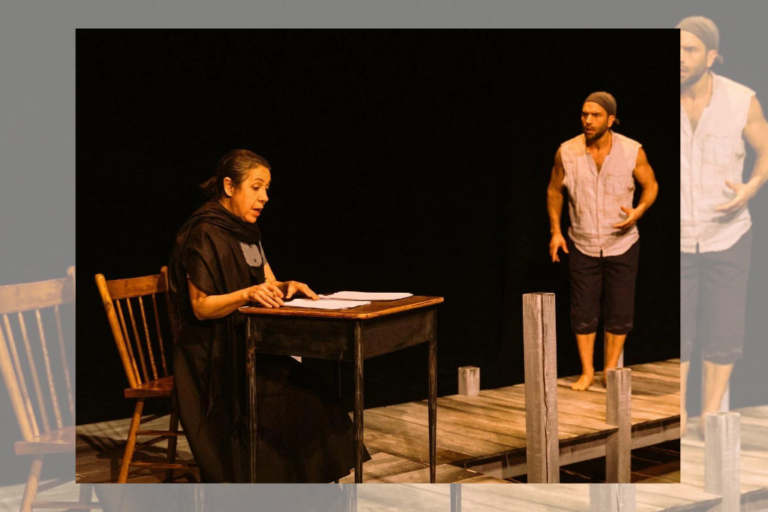 iPhoto caption: Photo by Jeremy Mimnagh.
REVIEW: On the Other Side of the Sea toys with human desires and fears
The absurdist, magical play follows the unexpected relationship between an idealistic fisherman and a stubborn businesswoman.
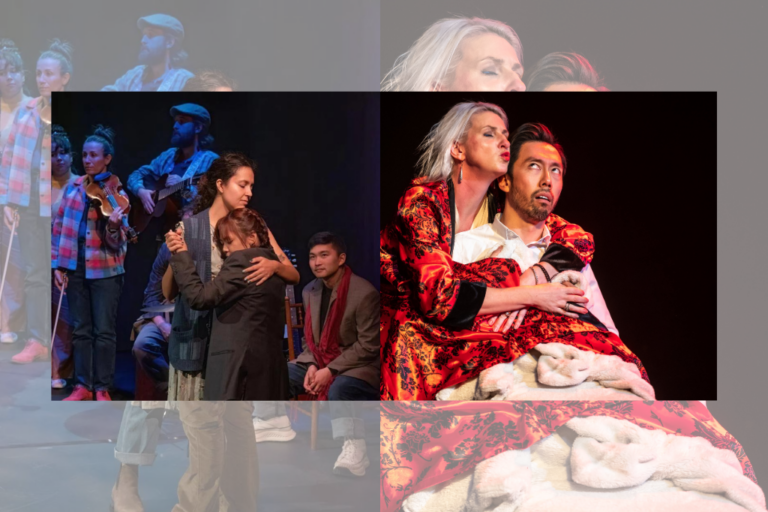 iPhoto caption: Guildwood photo by Sean Stone, Dead Parents Society photo by Dahlia Katz.
REVIEW: Guildwood and Dead Parents Society traverse time and genre to examine community
Whether of laughter, sadness, or sympathy — there will be tears. And is that not what Aristotle said theatre was for?
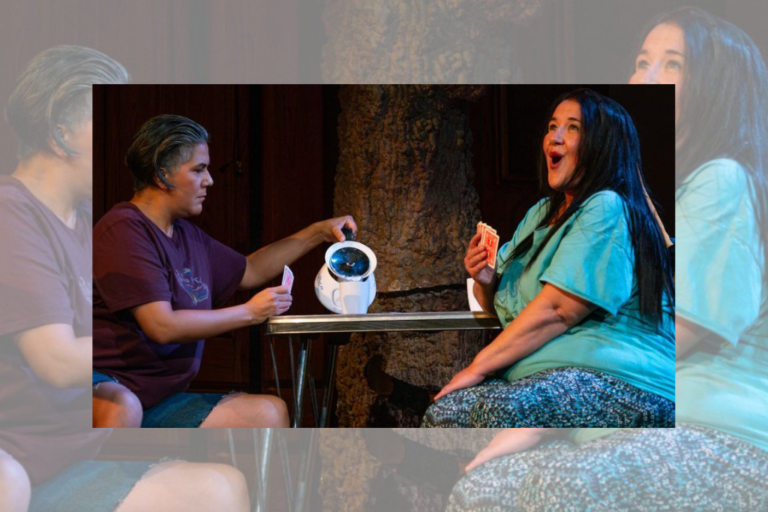
REVIEW: CANOE brings mystical, operatic flair to Canada’s dark history
Through a minimalist aesthetic and a score that blends classical music with non-conventional elements, CANOE presents a deeply personal portrayal of two sisters grappling with the past.
Comments