
REVIEW: Living With Shakespeare at Driftwood Theatre
 iPhoto caption: Jeremy Smith and Tom Lillington in Driftwood Theatre's Living With Shakespeare. Original image by Dahlia Katz.
Jeremy Smith is all too aware that parting is such sweet sorrow.
After almost 30 years, Driftwood Theatre’s popular Bard’s Bus Tour is coming to an end. Having lived with Shakespeare for more than half his life, Smith, Driftwood’s founding artistic director, has prepared a final solo performance to bring one last taste of the Bard to communities across Ontario. But the aptly titled Living With Shakespeare isn’t simply a tribute to the playwright — it’s a deeply intimate exploration of Smith’s life and work, using Shakespeare’s words to bring to life some of his most personal, exciting, and challenging experiences.
In a 90-minute production, Smith brings audiences on a journey from his childhood to the present day, demanding answers from his long-deceased favourite scribe. “Why, Shakespeare?” is the big question. Why write these plays? Why choose to be away from your family for your art? Why, Shakespeare?
The questions parallel beautifully with Smith’s own experiences. Using excerpts from more than fifteen sonnets, poems, and monologues, Smith navigates his own adventures and heartbreaks, from his proposal to his wife Tabitha (“But soft, what light through yonder window breaks? It is the East, and Juliet is the sun,”) to a period in which he was debating his life on the road with Shakespeare (“Life’s but a walking shadow, a poor player, that struts and frets his hour upon the stage, and then is heard no more”).
Smith and Steven Gallagher, Living With Shakespeare’s co-writer and director, have done a wonderful job selecting pieces that complement Smith’s life story. From Romeo and Juliet to his beloved Puck (the role that has changed his life on multiple occasions) Smith details how each play has affected him while weaving them into his own experiences.
It’s a dynamic and engaging production. While Smith is the only performer to deliver lines, he’s joined onstage by musical director Tom Lillington, who provides live sound effects and music. Lillington thoroughly understands his role — he never distracts from Smith’s performance and his perfectly-timed auditory interjections from his seat behind a piano are charming and often hilarious.
In fact, the entire physical production is charming: production designer Carlyn Rahusaar Routledge has created an intimate set that one would imagine will translate well to any venue. Dozens of volumes of Shakespeare’s plays litter the stage: crammed onto bookshelves, stacked on the ground, and even create the platform that supports a chartreuse velvet “throne” upon which Smith occasionally rests. It’s cluttered, but in a cozy way, and the entire aesthetic of the production felt as though it was designed specifically for the space, rather than being a touring set.
Smith himself wears a simple outfit — a Yoda t-shirt under a green button-down, jeans, and red Converse — that transitions perfectly from his memories of childhood to his experiences as a comic-obsessed teen to his current persona. It was simplicity made familiar and I found it all quite comforting: by the end of the show, I felt as though I’d known Smith for years.
One of the most impressive elements of the show was the technical design. The speakers were clear and consistent — a must in outdoor theatre — and save for one brief bout of feedback, ran without issue throughout the show. And while I barely noticed Connor Price-Kelleher’s lighting design when the show started in full daylight, it proved invaluable by the time the sun had set halfway through the production. As the night grew darker and Smith’s life grew more tumultuous, the lighting changes became more noticeable and appropriately dramatic.
This is a tight production from a team of experts. Their affection, not only for Shakespeare’s work but for each other, is evident. Stage manager Sandi Becker makes a brief cameo in the performance, and when there was an impromptu disruption at the Front of House tent in the middle of the performance, Smith immediately paused to allow the team to get things under control before he resumed. The unplanned event highlighted one of the messages of Smith’s story: You never know what life in the theatre will throw your way.
With this being The Bard’s Bus Tour’s final journey, I’d highly recommend seeing it. It’s funny, touching, and beautifully made. If you do anything before summer ends, I’d recommend you try Living With Shakespeare, if only for a day.
Living With Shakespeare runs until August 27, 2023. To find out more about their final shows, or purchase tickets, click here.
Intermission reviews are independent and unrelated to Intermission’s partnered content. Learn more about Intermission’s partnership model here.

Jessica Watson
Jessica is a former associate editor at Intermission, as well as a writer, classically-trained actor, and plant enthusiast. Since graduating from LAMDA in the UK with her MA in acting, you can often find her writing screenplays and short plays in the park, writing extensive lists of plant care tips, or working on stage and screen (though she uses a stage name). Jessica freelances with various companies across Canada, but her passion lies in working with theatre artists and enthusiasts.
LEARN MORE
Pakistani-Canadian actor Ahad Raza Mir ‘goes back to basics’ with Brampton production of Hamlet
“The South Asian community in Calgary, and even Toronto, is a whole different story than Brampton in terms of size,” says Mir. “I'm excited to have this show come to a larger group of South Asians: most importantly, young people who maybe want to go into the arts who want to be actors."
 iPhoto caption: From top left, clockwise: Nikki Shaffeeullah, Adele Noronha, Michelle Mohammed, Jay Northcott, Anand Rajaram, and Virgilia Griffith.
Tarragon Theatre Announces A Poem for Rabia Cast
Award-winning theatre and film artist Nikki Shaffeeullah’s play A Poem for Rabia will make its debut in a Tarragon Theatre production in association with Nightwood Theatre and Undercurrent Creations.

REVIEW: Shakespeare By Any Other Name at Dauntless City Theatre
Part history lesson, part joyful romp through Shakespeare’s works, the sixty-minute play in the heart of St. James’ Park attempts to return the playwright to the people.
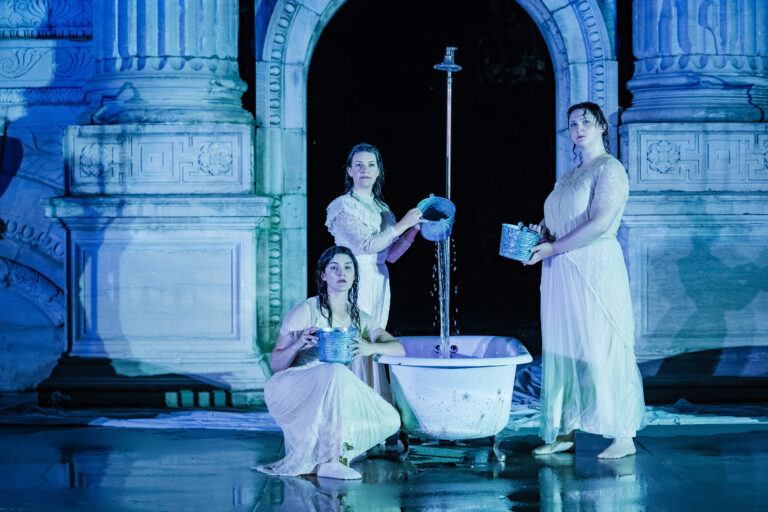
Guild Festival Theatre’s The Drowning Girls Opens in Scarborough
GFT’s final production is the multi-award-winning play The Drowning Girls, a true crime tale about three women married to and murdered by the same man.
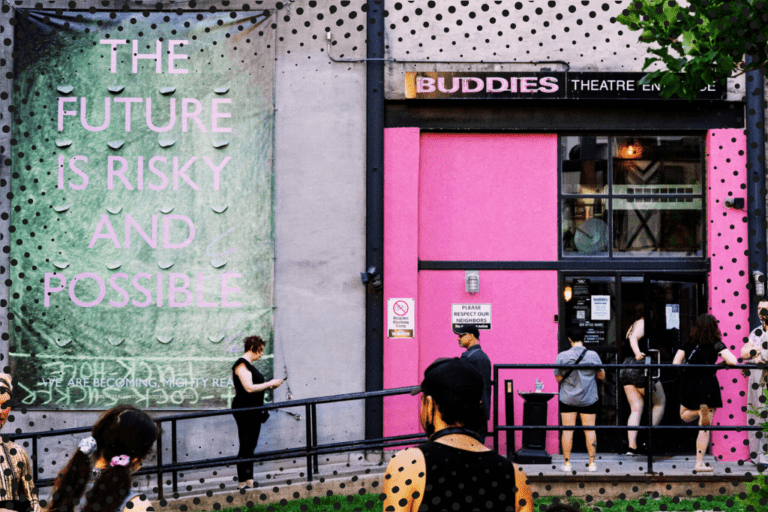
Buddies in Bad Times Theatre Reveals Their 45th Anniversary Season
Buddies in Bad Times Theatre is celebrating with a season that showcases both epic queer stories from history and innovative new works from a diverse roster of artists.
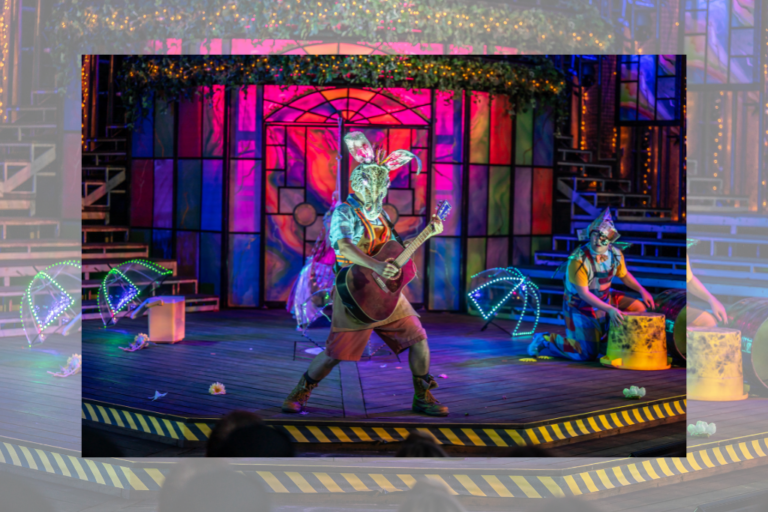
REVIEW: A Midsummer Night’s Dream at Dream in High Park
I cannot stress this enough: this show is funny, and the actors know it… not a single performer holds back in the over-the-top physicality.
Comments