
REVIEW: welcome, we’ve been waiting at Toronto Dance Theatre
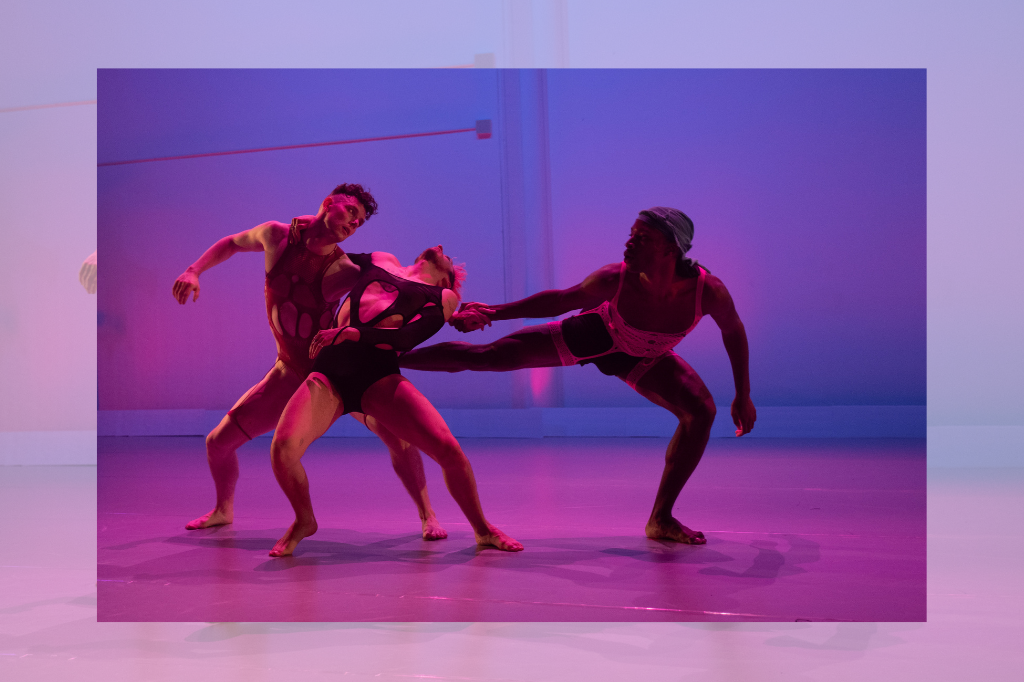
It has been two long years since audiences last saw a full-length work by Toronto Dance Theatre.
Even with the changes brought on by a pandemic which stopped dance performance mid-jétè, the shifts at Toronto’s vaunted contemporary company are significant. Most notable is the appointment of artistic director Andrew Tay; welcome, we’ve been waiting is his first major showing at the company after taking the helm in 2020.
For TDT’s reintroduction to Toronto audiences, Tay has selected the original work of choreographer Rodney Diverlus. A performance maker and co-founder of Black Lives Matter Toronto, Diverlus states in the show’s program that he created this piece to celebrate a new “a queer cult [of futurities], free love zealots searching for home and belonging.” It is a radical and forward-thinking proposition for TDT, arriving at an old home with new histories and new obligations.
As far as homecomings are concerned, welcome, we’ve been waiting is a slam dunk. Sexy, funny, and gay as hell, Diverlus and the dancers of Toronto Dance Theatre have succeeded in curating a forward-thinking and innovative night of dance that doesn’t take itself too seriously.
Foregoing a backdrop and eliminating backstage space allows for the architecture of the Winchester Street Theatre to take a main role in the piece. A gorgeous performance venue with vaulted ceilings and arching crown molding, the gratitude for the space seeps through Diverlus’ choreography and the way the dancers eat up the marley-covered floor with abandon and gusto.
Queer culture, particularly its nightlife, is the obvious choreorgaphic inspiration. Clear, crystalline beads hang down to form makeshift wings, and a wild variety of costumes adorn a rack which acts as both a set piece and a prop. But welcome, we’ve been waiting is a respite from the more mainstream atmosphere of Church and Wellesley, as Diverlus indebts his choreography to a variety of queer POC music, fashion, and performance forms. With a dynamic house and jazz score by Toronto composers TiKA and Dillon Baldassero, and references to dark rooms, go-go dancers, and fashion shows, we are given physical insights into seven people at different intersections of race, gender, and sexuality.
All actions on the spectrum between the spectacular and the mundane are represented here. The choreography successfully plays with silence, stillness, and solitude by punctuating the work with the dancers’ groans, screeches, and animated facial expressions. Dancer Megumi Kokuba need only nudge the dancer standing in her spot for the audience to burst into laughter. And as Peter Kelly performs languid movement in a skimpy knit unitard, the rest of the cast makes moaning noises from behind the proscenium. It’s the sort of camp that would make Susan Sontag blush.
Moments like this are indicative of how the piece refreshingly narrows in on the minutiae of intersectional queer life. Voyeuristic tendencies, like being stared down by a random person from across a crowded room, or watching someone engage in a dance floor hook-up, are motifs woven into Diverlus’ choreographic fabric. The dancers often take the role of spectators on stage; they watch the actions of their counterparts, and even unabashedly flirt with the audience. I kept locking eyes with dancer Erin Poole as she danced sensuously a couple feet in front of the audience; I’m sure I wasn’t the only one.
Similar confidence is displayed by each performer, making welcome, we’ve been waiting feel like an authentic performance of each dancer’s stylistic idiosyncrasies. Many of the piece’s most profound moments are during solos that stratify everyday actions to dramatic effect. Margarita Soria flips their long hair back and forth until it appeared they are washing their face. Roberto Soria (yes, siblings in the same company) is pleasantly surprised to perform in a spotlight, but becomes so overwhelmed by it he ends up convulsing in a corner. And Devon Snell tentatively hangs to the back wall with a floor length piece of fabric that swirls to resemble a bird of mythic origin.
Such a wide range of sounds, sights, and sensibilities are more than enough fodder for an evening length work. Perhaps that is why my only problem with welcome, we’ve been waiting has to do with its pre-show. Audience members wait outside accompanied by a performance of pedestrian choreography by Soria and Kokuba. Without announcement, different groups are beckoned into the building with a short performance in the lobby before heading into the theatre proper. While the lobby choreography was fun and inviting, being in the first group meant hearing it happen three more times behind me while awkwardly waiting for the show to start. Considering the profundity of what was to come, this immersive theatre method to entering the performance space could have been forgone altogether; welcome, we’ve been waiting stands perfectly capable as a conventional performance-going experience.
I can see why a choreographer would want to take full advantage of this space, though. After Snell, Soria, and Kelly perform a trio evoking a 2 a.m. ménage-à-trois, the curtains to the building’s stained glass windows are pulled back. The windows cast the floor of the theatre in a luminous hue, and the dancers stop to simply bask in the dappled twilight. It was one of many moments where the dancers made it clear how appreciative they were of the space they were in, and of the people who had come there to see them. And if welcome, we’ve been waiting represents the Toronto Dance Theatre audiences are returning to, the feeling is whole-heartedly mutual.
welcome, we’ve been waiting runs at the Winchester Street Theatre through May 28. Tickets are available here.
Martin Austin
Martin Austin is a PhD student at the University of Toronto’s Centre for Drama, Theatre & Performance Studies. Martin’s research explores the past and current state of ethics in Euro-American dance practice. He is research assistant for Category Is, a study of house ballroom communities in Toronto and Montréal, and lead administrative coordinator of the Institute for Dance Studies.
LEARN MORE iPhoto caption: Production still from The Nutcracker courtesy of the National Ballet of Canada.
Why should you go to the ballet?
My childhood memories of learning to dance were front and centre for me when I attended opening night of The Nutcracker, performed by the National Ballet of Canada at the Four Seasons Centre for the Performing Arts.
 iPhoto caption: ROSA promotional image courtesy of RUTAS.
RUTAS redefines ‘American’ theatre and performance
“I think [Latinx artists] have always been a strong voice, but now we need to be even louder to the rest of Canada,” says multidisciplinary performance artist Carlos Rivera. “The things that we can bring to the table and bring to the stages can show the beauty, and the strain, and the capacities that Latino Americans carry with us in our bodies, in our minds, in our souls.”
 iPhoto caption: Original photos by Kendra Epik.
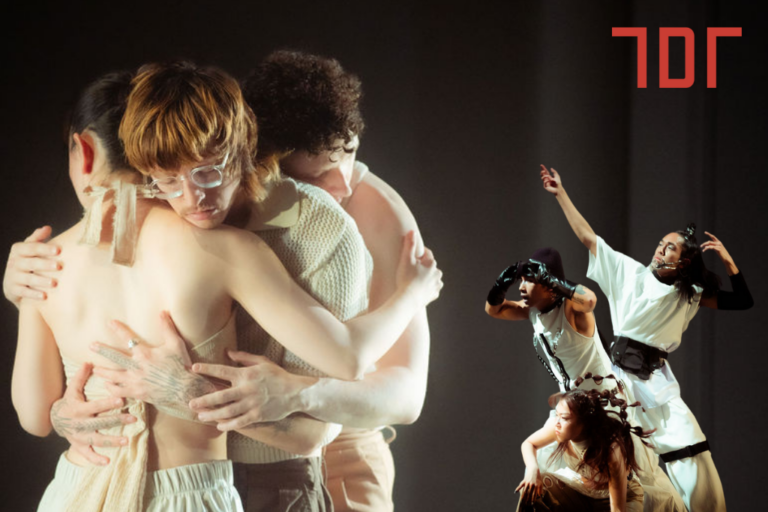
With its Spring Double Bill, Toronto Dance Theatre centres community and new voices
For the Spring Double Bill, artistic director Andrew Tay is considering how programming can be a means of supporting emerging artists.
 iPhoto caption: Photos by Roya DelSol
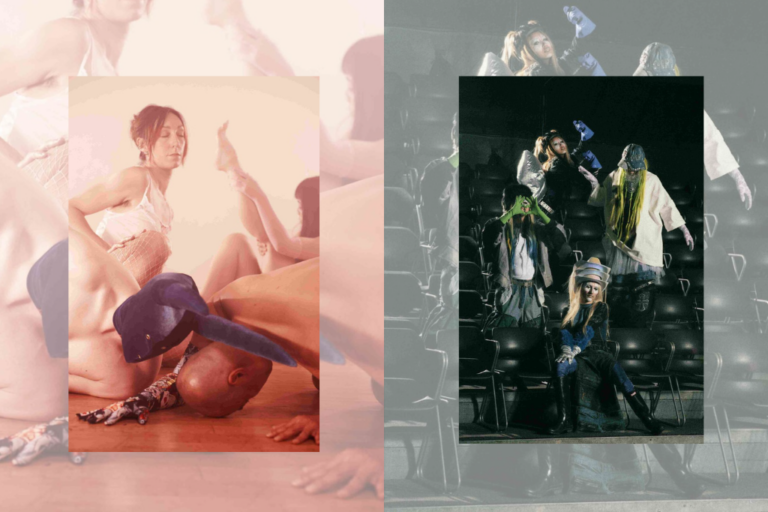
REVIEW: Boundary-pushing TDT double bill features face-riding and odd sensuality
Both pieces in the winter double bill are par for the course with TDT’s recent artistic output: unabashedly queer and consistently experimental.
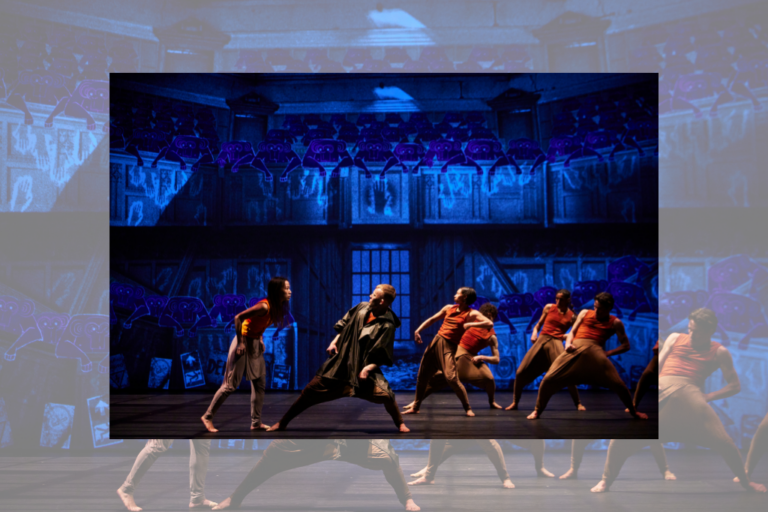 iPhoto caption: Photo by Ambra Vernuccio.
REVIEW: Jungle Book reimagined needs a little reimagining
Indeed, Akram Khan “reimagines” a historically complex story into a two-hour exposé on the environmental catastrophe. Jungle Book’s captivating visual effects and dynamic physicality brought the opening night audience to their feet. But as the choreographer’s first billing as director, Jungle Book’s storytelling doesn’t always live up to Khan’s skill as a dancemaker.
When it comes to dance made in Canada, there’s an overabundance of great work happening.
Comments