
REVIEW: Tarragon’s The Wolf in the Voice abounds in care, howling, and Throat Coat
 iPhoto caption: Photo by Jae Yang.
What could be more vulnerable than letting people hear your voice break? Making an entire show about it. Through genre-blending arrangements of songs in the performers’ more uncomfortable registers, the trio of Neema Bickersteth, Jane Miller, and Taurian Teelucksingh lay bare their passaggios and invite the audience to explore their own. Playing with a wolf’s howl as a metaphor for voice breaks, The Wolf in the Voice is an energetic yet intimate peek into the lives of singers and the instrument that exists within us all.
Created and directed by Martin Julien and Brian Quirt as a commission from Nightswimming, The Wolf in the Voice opened at Tarragon Theatre on February 12 to an enthusiastic audience. As the crowd trickled into the Extraspace, we saw the three performers standing around a keyboard, jamming. They wore cosy clothes: a cardigan, flannel, and jumpsuit, each with a soft pop of primary colours. The trio appeared approachable and self-assured, setting the stage for a night of sincerity and tongue-in-cheek dancing.
After a couple of contrasting numbers, the performers introduce each other to the audience, accompanied by endearing memories of childhood obsessions with The Phantom of the Opera and the horrors of puberty. This casual, communal feel continues throughout the performance, which at times feels more like a vocal masterclass than a theatre production. Allowing the audience to participate and connect with the real performers — rather than characters — amplifies the show’s exploration of small group dynamics: the tensions and resolutions that accompany collective music making.
The dissonance and harmony in the musical arrangements, as well as the personal anecdotes Bickersteth, Miller, and Teelucksingh share about their experiences as singers, expand on this push-pull dynamic. Together, the creators and performers score the show to match the narratives: uplifting solos relay magical memories of career highlights, and crunchy harmonies back the stories of struggle. At points, they tell each other’s stories, even once taking turns recounting the saga of a band’s demise, not attributing the anecdote to a single person but instead revealing a collective truth about the artists’ journey. Their blending voices and narratives foreground a key theme of the show: the entrancing force of an ensemble, and more specifically, how it becomes difficult to tell where one voice ends and another begins.
Julien and Quirt, in collaboration with associate artist Thom Allison, play with this concept through interchanging melody lines and choreography. The performers cycle through songs and movements, taking each other’s places both physically and vocally. The connection between Bickersteth, Miller, and Teelucksingh is tender and passionate — it’s clear the trio is excited to highlight their co-stars’ strengths and listen deeply to each other’s confessions of weakness and struggle.
Rebecca Picherak’s playful set and lighting design complements this versatile relationship. Picherak uses soft spotlights to switch focus between performers as they hopscotch across a light-up piano floor, singing along to the melodies they create with their feet. Bunched red curtains separate performers as they sit at their respective “wolf” tables across the back of the stage, where they stock remedies for healing tired voices. Bickersteth, Miller, and Teelucksingh give tours of their choice of singer essentials: Throat Coat tea, salt water, oil of oregano, and even Sour Patch Kids (just ask Billy Porter).
For the most part, the performers manage to maintain a balance between sincerity and spectacle. However, this equilibrium teeters at times, particularly during some of the more musical theatre-style numbers, and a couple anecdotes where the vulnerability feels a tad rehearsed.
If you’re looking for a show where you can be a mere voyeur, keep quiet, and forget yourself — this is not the experience you seek. The trio enthusiastically invites the audience to explore the ranges of their voices from the comfort of their seats, feeling the movement of their larynxes and visualizing the inner workings of their vocal folds. Multiple singalongs and communal vocal exercises happen throughout the show, in an environment set up to be judgment-free thanks to the openness and candour of the performers. There’s never a question as to whether or not a person can sing — the focus is on how well you understand and nurture your instrument.
What stands out most about The Wolf in the Voice, apart from Bickersteth’s gorgeous operatic chops, is its spotlight on the act of caring. Besides the clear way the trio cares for each other, they emphasize the importance of caring for the voice and treating it as a muscle that needs breaks, restful or otherwise. This show is a family-friendly experience that left me feeling more confident in my own passaggio, and far less concerned about smoothing it out. Go ahead, let your voice crack — it’s natural!
The Wolf in the Voice runs at Tarragon Theatre until February 26. Tickets are available here.
Intermission reviews are independent and unrelated to Intermission’s partnered content. Learn more about Intermission’s partnership model here.

Gus Lederman
Gus Lederman (they/he) is a writer and performer in Tkaronto. Currently, they’re in their last semester of OCAD University’s Creative Writing program, where they were Editor-in-Chief of the first edition of the student literary journal, Pulse. Gus participated in the 2024 New Young Reviewers Program with Toronto Fringe, and has since written for Canopy Magazine. They enjoy composing original music, writing plays, and are passionate about climate justice, trans-ness, and puppetry.
LEARN MORE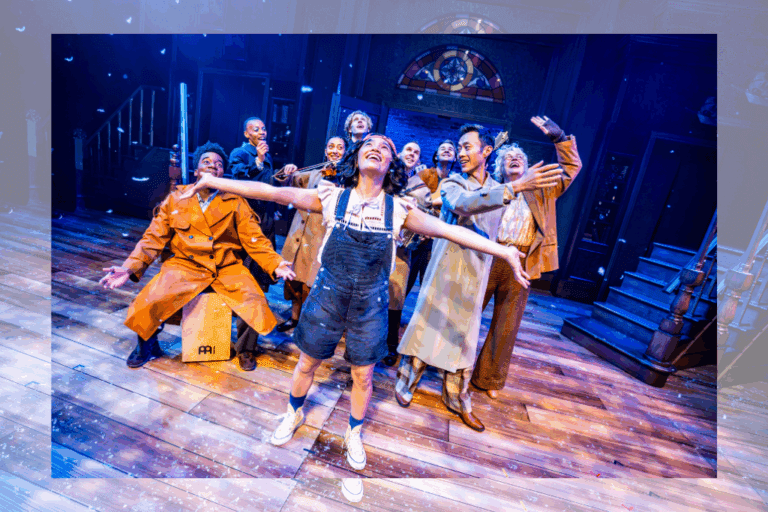 iPhoto caption: Members of the company of 'Narnia.' Photo by Dahlia Katz.
REVIEW: Bad Hats’ Narnia is a joyful, heartwarming escape
The spirit of openness and the joy of discovery rule over this Narnia. Open the wardrobe and see.
 iPhoto caption: Members of the company of 'Robin Hood.' Photo by Dahlia Katz.
REVIEW: Canadian Stage’s Robin Hood panto is anti-capitalist fun for the whole family
Following Ross Petty’s legacy of scene-stealing, Damien Atkins as the evil Prince John is easily the greatest delight of the show.
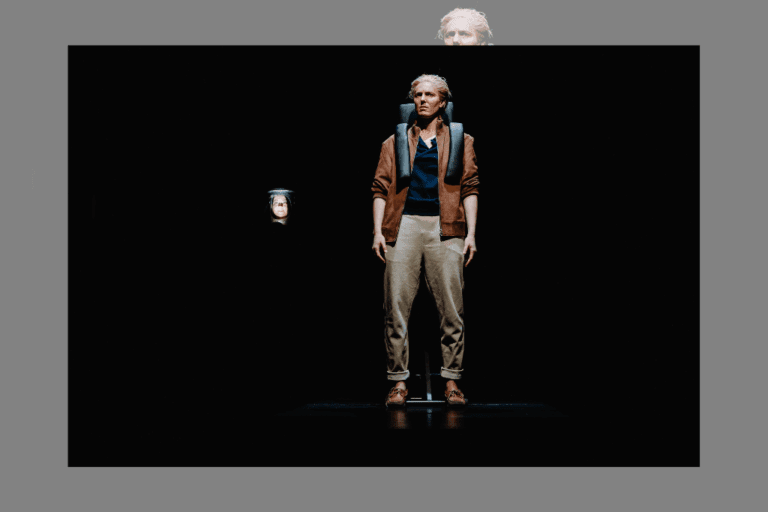 iPhoto caption: Lauren Gillis and Alaine Hutton in 'Public Consumption.' Photo by Eden Graham.
REVIEW: Lester Trips’ stylish Public Consumption captures the internet’s profound emptiness
Rather than directly representing online life, Public Consumption speculates — with virtuosity — about how the digital world affects our bodies. And the show's findings are by no means comfortable.
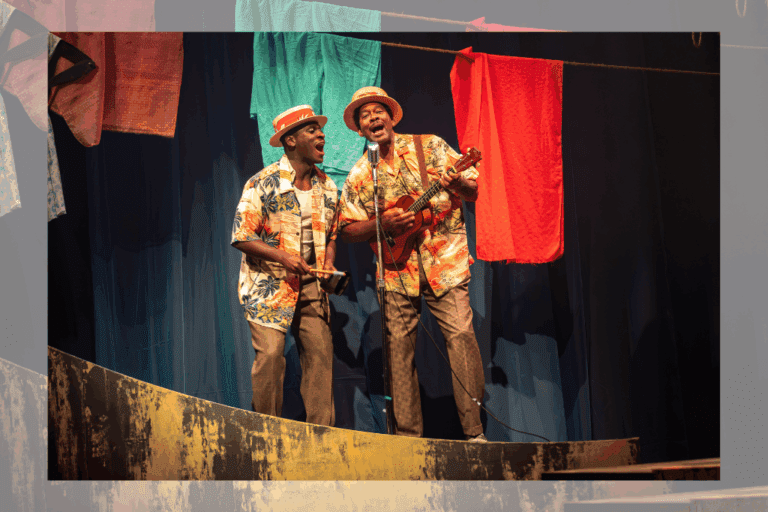 iPhoto caption: Tony Ofori and Daren A. Herbert in 'Moonlight Schooner.' Photo by Dahlia Katz.
Kanika Ambrose’s Moonlight Schooner is animated and visually stunning, but its individual pieces don’t come together as neatly as I would've expected.
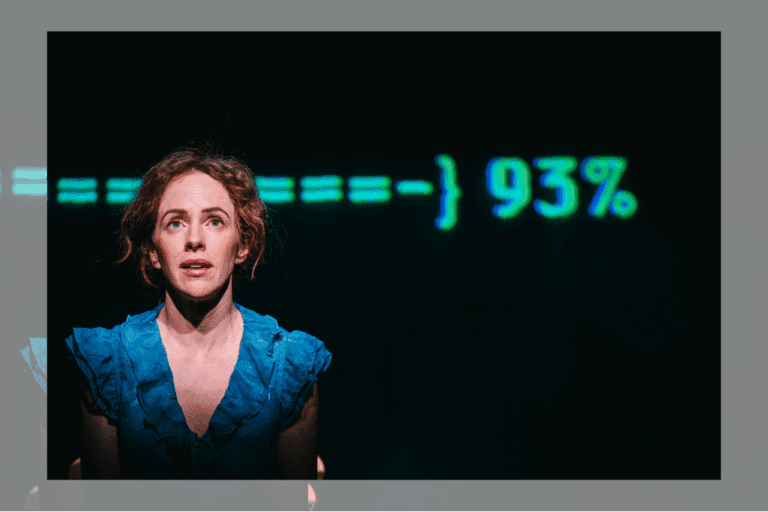 iPhoto caption: Fiona Mongillo in 'Reproduktion.' Photo by Ann Baggley.
REVIEW: Here For Now’s well-acted Reproduktion attempts to tackle too much
Amy Rutherford’s world premiere script is ambitious and the material it covers is complex — but the narrative feels disjointed.
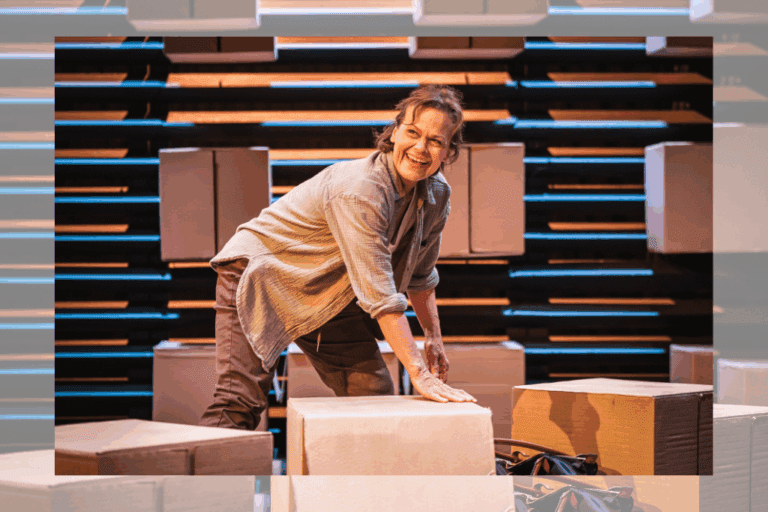 iPhoto caption: Kristen Thomson in 'Fulfillment Centre.' Photo by Elana Emer.
REVIEW: Coal Mine’s Fulfillment Centre asks how we end up alone, together
The production understands the play’s themes, yet feels limited by a script that delivers a package it never fully opens.
iPhoto caption: Members of the company of 'Robin Hood.' Photo by Dahlia Katz.
REVIEW: Canadian Stage’s Robin Hood panto is anti-capitalist fun for the whole family
Following Ross Petty’s legacy of scene-stealing, Damien Atkins as the evil Prince John is easily the greatest delight of the show.
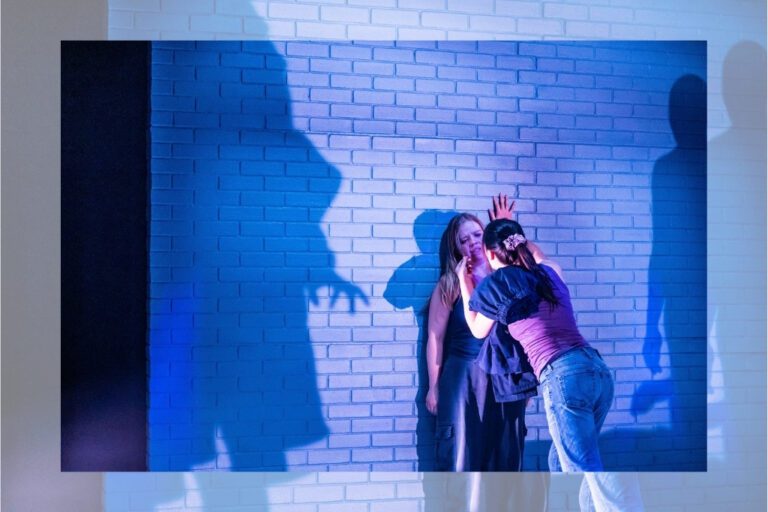 iPhoto caption: Vivien Endicott-Douglas & Liz Der. Photo by Dahlia Katz.
The show is approximately an hour-and-a-half long, but in the world of the story, it all takes place in only 10 minutes. Woolley’s choice to manipulate time in this way is clever and appropriate, allowing the audience to feel the enormity of what someone undergoing a mental health crisis might experience over a few minutes.
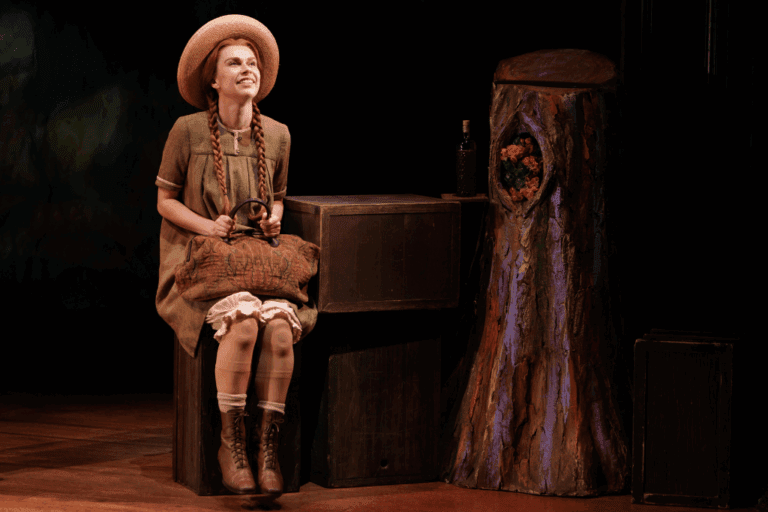 iPhoto caption: Caroline Toal as Anne Shirley in 'Anne of Green Gables.' Photo by David Hou.
“The story is so hopeful and beautiful and funny and silly and moving — and I think that nowadays, it's so nice to be reminded of hope," says Toal.
 iPhoto caption: Photo by Mike McPhaden.
REVIEW: Shakespeare in the Ruff’s Tiff’ny of Athens throws a delightful party in Withrow Park
The text draws on an eclectic mix of sources: other Shakespeare plays, Dolly Parton songs, and automated messages from government service helplines, to name a few.
 iPhoto caption: Andrew Penner and Deborah Hay in 'After the Rain.' Photo by Dahlia Katz.
REVIEW: After the Rain transforms the Tarragon Mainspace into a passionate folk-rock concert
The performers of this world premiere musical got a lot of laughs from the buzzing opening night audience, but make no mistake, they got quite a few audible tears out of us, too.
 iPhoto caption: Photo by Nanc Price.
REVIEW: Mirvish’s Made in Italy dishes a pleasant but lengthy family feast
Made in Italy is a feat of physical comedy, with creator-performer Farren Timoteo seamlessly taking on the distinct voices and mannerisms of about 10 different characters.
Comments