
Beyond the Fringes: Next Stage guides artists into creative control
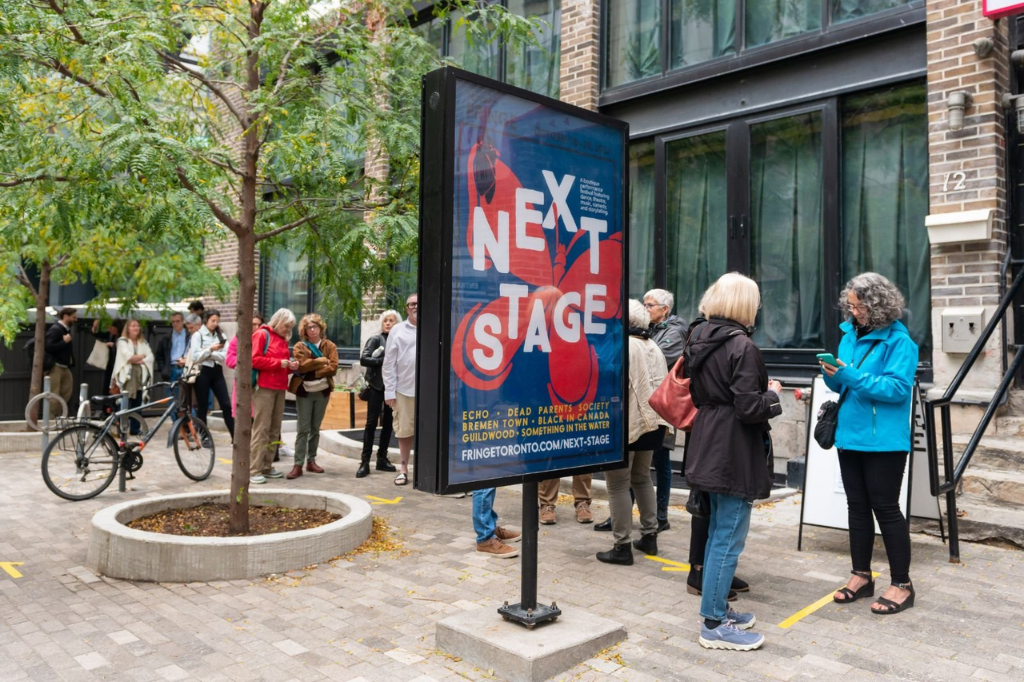 iPhoto caption: Photo by Colleen Yates.
The Toronto Fringe Festival is a household name for local theatregoers and anyone passing a lamppost downtown in July. But Fringe is more than those jam-packed two weeks in the summertime; it produces another platform for artists finding their audiences in the off-season.
On October 18, the Next Stage Theatre Festival kicked off its long-anticipated 16th season, extending the reach of the Toronto Fringe as a community hub of arts excitement. Taking inspiration from a butterfly emerging from its cocoon, this year’s Next Stage marketing was laden with colourful depictions of metamorphosis communicating the festival’s motivation: to offer developing artists mentorship and resources as they grow their wings.
Next Stage bridges the gap for emerging artists between smaller opportunities and genuine bargaining power in their creative endeavours and careers.
Instead of the traditional Fringe lottery model, Next Stage utilizes a jury selection process. This year’s festival featured six dynamic works that, although distinct in their approaches to storytelling, treated a cross-section of issues on the forefront of our collective consciousness. As artists experimented with form and design, the festival compelled audiences to reconsider the boundaries of traditional performance. From dance and sketch comedy, to musicals and squid genitals, this lineup truly guaranteed something for everyone.
In conversation, the Fringe’s outgoing executive director Lucy Eveleigh and inaugural content coordinator Oliver Pitschner were excited to share this programming with the public. Eveleigh outlined that each year “what [the jury is] looking for is the storytelling… what is current, what is relevant,” and while they will usually seek out a musical and movement piece, they look for a bit of everything. What united this year’s pieces, Pitschner said, is a “ribbon of quality” as well as some shared themes.
All six pieces explored, in their own way, our relationships to identity and community. How do we engage with society, and what do we learn about ourselves in the process?
For Eveleigh this connection was evidence of “what people are talking about and what’s important to them.” Perhaps as the world recovers from a few years of isolation there’s a collective need to question what it means to belong, and how we decide who does.
Speaking of the festival’s place in Toronto theatre, both Eveleigh and Pitschner communicated a dedication to cultivating community.
Eveleigh explained that her approach involves direct conversations with chosen companies about their specific goals and values in order to hone in on “what people want to get out of this festival so we can offer that as best as possible.” She recognizes that theatre is a daunting industry to break into and wants to leverage her connections to welcome new blood.
Visual artist and emerging arts administrator Pitschner is focused on bringing in and growing the Fringe’s audience. As content coordinator, his role not only ensures that the Fringe is always on your social feeds, but that there’s a cohesion between what you see onscreen and onstage. Pitschner is the talented illustrator behind Next Stage’s hand-drawn butterfly and cocoon motif. He says that “as long as people see it, and think it looks cool, I’ll have done my job.”
When we spoke on October 19th, Pitschner was personally looking forward to The Disability Collective’s ASL-interpreted Rocky Horror Picture Show on October 28. “I’ve been a Rocky Horror-goer since I was 16 years old,” he said. “Every single year I dress up.” He appreciates that “a community minded festival” like Next Stage includes ancillary programming for those who may not consider themselves a traditional theatregoer.
Partnering with the Toronto Alliance for the Performing Arts (TAPA), the Toronto Fringe also hosts a variety of workshops for independent artists, including one as part of Next Stage focused on respecting mental health in artistic careers. The workshop outlined resources and strategies to help take care of ourselves and our peers in this industry.
As someone relatively new to the city, I have sometimes found the Toronto theatre world insular. I deeply appreciate the Fringe’s creation of a space for artistry and connection for those who feel on the scene’s fringes — pun intended.
Fringe is an organization which truly allows artists to make necessary mistakes. It’s an indispensable safe space for art makers, workers, and lovers to gain valuable learning experience. At Fringe, everyone is capable of art.
That being said, because the summertime Fringe festival is an opportunity to welcome everyone, it can be an overwhelming experience. One hundred-plus shows move quickly in and out of limited venue space while audiences clamour to fit as many shows as they can into their schedule.
Next Stage, then, is an approachable, intimate middle ground between more well-established theatres and the free-for-all of the Fringe. It features “programming that is… artistically rich while not alienating to folks who aren’t already in this scene,” said Pitschner.
Eveleigh, who is leaving the Fringe at the end of the year after 12 years with the organization, is sure of one thing: “The Fringe is becoming so much more sure of itself and its place in this city and beyond, and isn’t backing down from that.” She embraces change knowing that new ideas will always be the future of Fringe.
And the Fringe’s doors are open! Always looking for new patrons, volunteers, and lottery applicants, the Fringe welcomes everyone to get involved and say hi. If you have a show to submit (or just need a reason to get started), and think you’re too small a fish for this pond, both Eveleigh and Pitschner stress that “Fringe is for YOU.”
Next Stage Theatre Festival ran from October 18 to 29 at Buddies in Bad Times Theatre. You can learn more about the festival here.
Columbia Roy
Columbia Roy is an interdisciplinary theatre artist and arts worker raised in Taiwan, now discovering life in Toronto. She’s passionate about arts philosophy, examining culture, and public transit. Columbia is drawn to work that confronts humanity with itself, warts and all, while still embracing the silliness of living. You can always find her knitting, talking to strangers, or waiting for the TTC.
LEARN MORE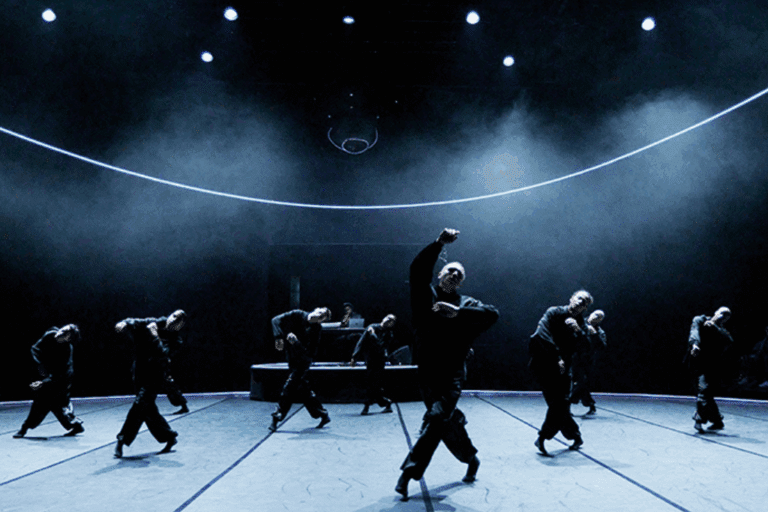 iPhoto caption: Photo by Fabian Hammerl.
In A a | a B : B E N D, choreographer Aszure Barton aims to rebuild dance from the inside out
“It’s so easy to over-intellectualize dance in general, but B E N D is about hearing and moving to cool-ass music together,” says Barton ahead of the show's run at the Bluma Appel Theatre.
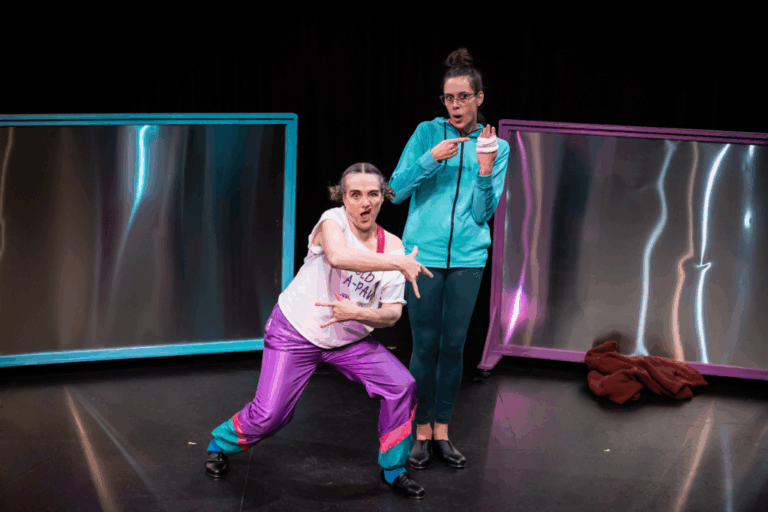 iPhoto caption: Elinor Holt and Ellen Close in 'How Patty and Joanne Won High Gold at the Grand Christmas Cup Winter Dance Competition.' Photo by Benjamin Laird.
“We’re living in a world right now where failure is not an option,” says actor Elinor Holt. “And a lot of times people would rather not try anything at all, rather than try something and risk failing at it.”
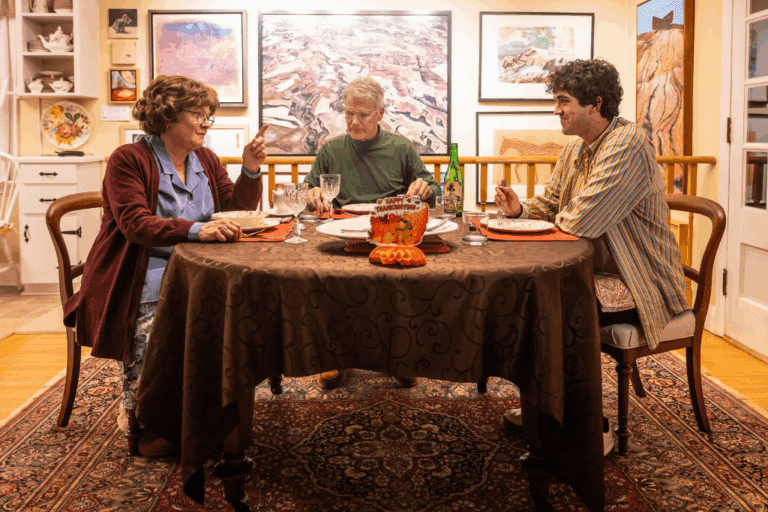 iPhoto caption: Jane Spidell as Bettye, Kevin Bundy as Jim, and Noah Beemer as Steve in 'Twelve Dinners.' Photo by Dahlia Katz.
With TIFT’s Twelve Dinners, actor Steve Ross makes the leap to playwright-director
"I love sitting with the actors before rehearsals and discussing, especially when they ask questions,” says Ross. “I love the blocking and staging. I love directing my own work, but find it challenging."
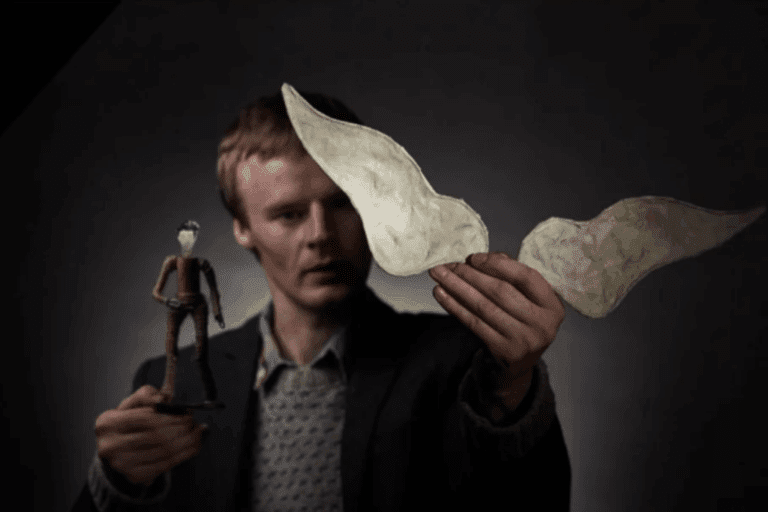 iPhoto caption: Manus Halligan in Dan Colley's adaptation of 'A Very Old Man with Enormous Wings'. Photo by Ste Murray.
A contemporary Gabriel García Márquez adaptation touches down in Toronto
A Very Old Man with Enormous Wings has toured internationally since 2022, with a shifting cast of performers. Halligan and Beaman, the original actors and co-adaptors, will reprise their roles for the Toronto premiere.
 iPhoto caption: 'Narnia' in rehearsal. Photo by Dahlia Katz.
"What emerged for us was this idea of life cycles,” reflects Narnia adaptor-director Fiona Sauder. “‘What happens when you get stuck in one season [of life], and what happens when that season comes to an end? [What things] have to die and fall away in order for new things to grow?’”
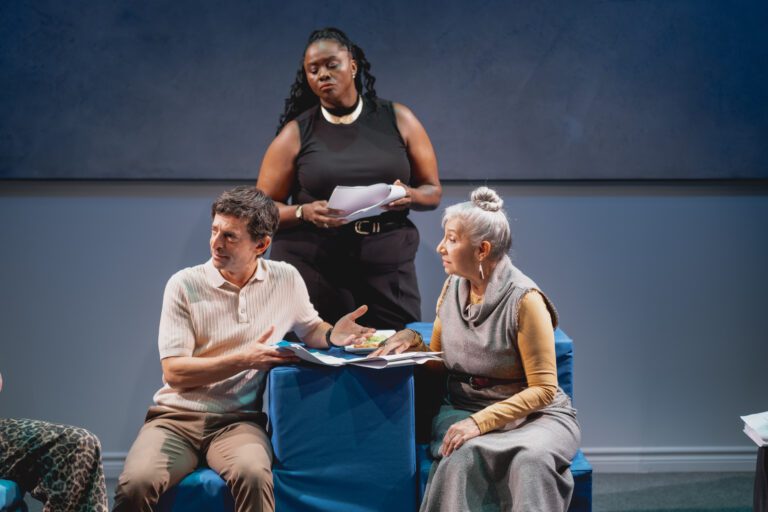 iPhoto caption: Jordan Pettle, Janelle Cooper, and Monique Mojica in CHILD-ish. Photo by Jae Yang.
Tarragon’s upcoming show gives audiences a verbatim taste of children’s wisdom, wit, and weirdness
The first inklings of CHILD-ish came to Drake in 2017. “I got to an age where I started having a lot more kids in my life,” he said. That “got me curious about what adults can learn from kids: playing with and flipping that power dynamic of who’s the learner and who’s the teacher.”
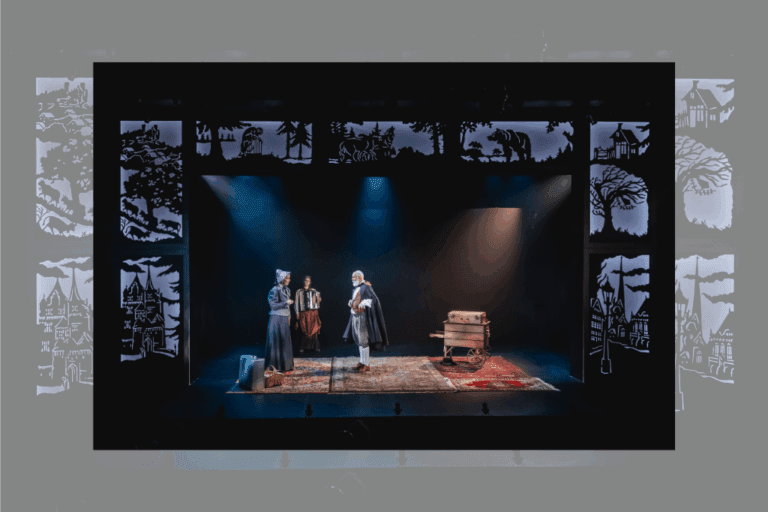 iPhoto caption: Nancy Palk, Tatjana Cornij, and Oliver Dennis in Bremen Town. Photo by Jae Yang.
REVIEW: Tarragon’s Bremen Town gives the golden years a Grimm twist
Prest’s adaptation doesn’t shy away from the darker aspects of Grimm’s fairy tales nor of life, and instead explores life's absurd humour with a sprinkling of schadenfreude. The show inspires guilt-tinged laughter as the characters cheerfully discuss the merits of turning their late mothers into candles.
 iPhoto caption: Photo by Bruce Zinger.
REVIEW: Outside the March’s Rainbow on Mars explores the future of embedded accessibility practices
Rainbow on Mars is a multisensory experience that goes beyond visual spectacle to create an all-encompassing narrative world from the moment your ticket is scanned.
 iPhoto caption: Photo by
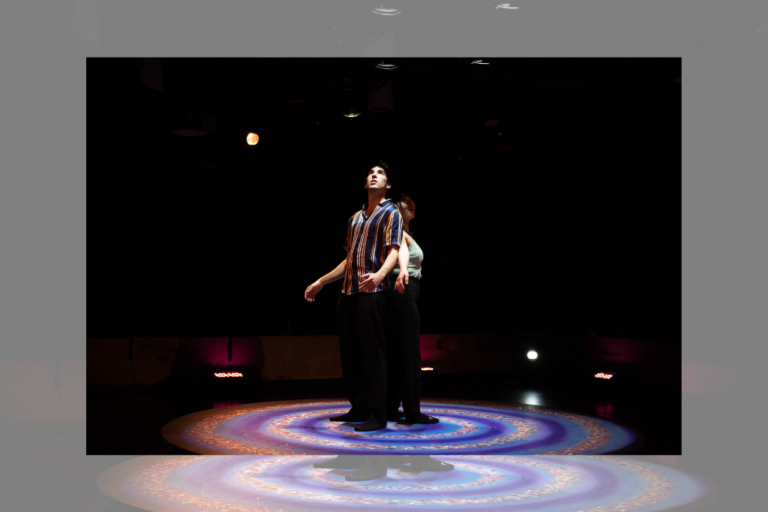
REVIEW: ECHO is a chilling reflection of nightclub love and the pitfalls of passion
ECHO is an emotionally poignant, visually stunning story that questions our ability to nurture love and remain devoted to ourselves.
Comments