
Factory Theatre welcomes new audiences with shows that explore human connection
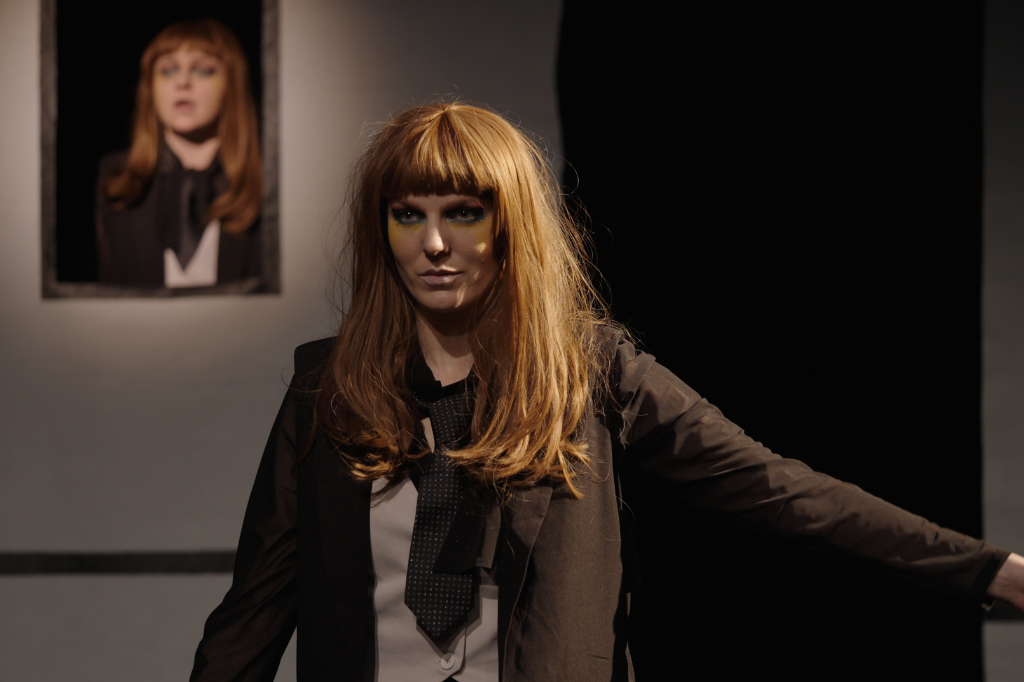
 iPhoto caption: I Don't Even Miss You photo by Eden Graham.
“Theatre as a space for connection” has become a well-worn cliché, particularly in a post-pandemic world.
At the same time, whether it’s the shift to remote work, the isolation of endless doom-scrolling, or the election results south of the border (ugh), spaces of community are probably more critical than they’ve ever been. With all that in mind, Factory Theatre is hoping their current season will give audiences new ways and reasons to come together.
“I feel like I’m really looking to theatre for joy right now,” said Mel Hague, the company’s artistic director since 2022, in an interview. “I don’t mean works that are specifically funny or happy. I’m talking about something deeper where you can feel connected to the art on stage, the space that’s hosting it, the other people in the audience, and yourself.”
Along with three festivals co-presented with Aluna Theatre, Theatre Sheridan, and b current, Factory programmed two shows this fall that explore themes of connection. Currently on offer is Honey I’m Home, which examines the experience of isolation created by remote work.
Devised by Lester Trips (also known as Lauren Gillis and Alaine Hutton), the show follows a random employee struggling with her boss’ demand that she return to the office after a long period of digital commuting. As she navigates the housing crisis and the increasing prevalence of AI automation, she discovers a wellness industry product that allows her to survive the unwanted shift by “homing from work;” living full-time in her workspace while digitally projecting her consciousness back into her house.
“It started as a joke prompt about the stupid, perverse, useless ways that technology is misused and spun as innovation,” said Gillis in a separate interview. “Some viewers will think of it as an extreme, psychedelic situation that’s intended as science fiction and others will be like, ‘That basically happened to me last week.’”
Earlier this season, I Don’t Even Miss You, written and performed by Elena Belya, followed a non-binary computer programmer named Basil who wakes up to a world where everyone else has mysteriously disappeared.

“I try not to say it too loudly, but I started writing it back during the first wave of COVID-19 lockdowns,” Belyea told Intermission. “I was spending a lot of time grappling with the realization that so much of my self-worth and identity were defined by relationships with others. I started wondering, if I was really alone, with no one else to be in community with, would I be the same person?”
There’s still more to come at Factory in 2025, but the company hasn’t announced the rest of its programming yet. This move away from launching the season all in one go is part of a larger audience engagement strategy, says Hague.
“‘I’m thinking of a season at Factory as a series of events,” Hague explained. “Rolling out our announcement gradually lets us really connect our marketing to the action of buying a ticket because there’s a show happening right now. It tells people to keep an eye on Factory because there’s always something new and different coming.
“We noticed our audiences were buying tickets much closer to the performance dates, even when we would announce months in advance,” she continued. “So we wanted to meet them there, to get our shows in front of folks when they’re making the choice to come to our theatre rather than trying to engage six or seven months ahead of time.”
Perhaps the most exciting development is the return of pay-what-you-can pricing for every Factory performance. All unsold seats are now released as rush tickets 30 minutes before show time. This move is significant because, in the years leading up to the pandemic, a lot of Toronto theatre companies eliminated the familiar Sunday matinee flexible prices that offered access for students and arts workers. This change in pricing also provides an entry point for potential audiences who are curious about theatre, but iffy about shelling out big bucks for an uncertain experience.
“When I was young, pay-what-you-can tickets allowed me to see so much more theatre than I could have otherwise,” Hague said. “It was thrilling to show up on a whim with a five-dollar bill in your pocket and see if you could get a seat. It helped me to get out and see what was happening in the city. Our audiences at Factory are getting younger, and ensuring access to theatre early on helps to build up those neuropathways until it becomes a habit.”
You can learn more about Factory Theatre here.

Chris Dupuis
Chris Dupuis is a nomadic writer/creator/curator originally from Toronto.
LEARN MORE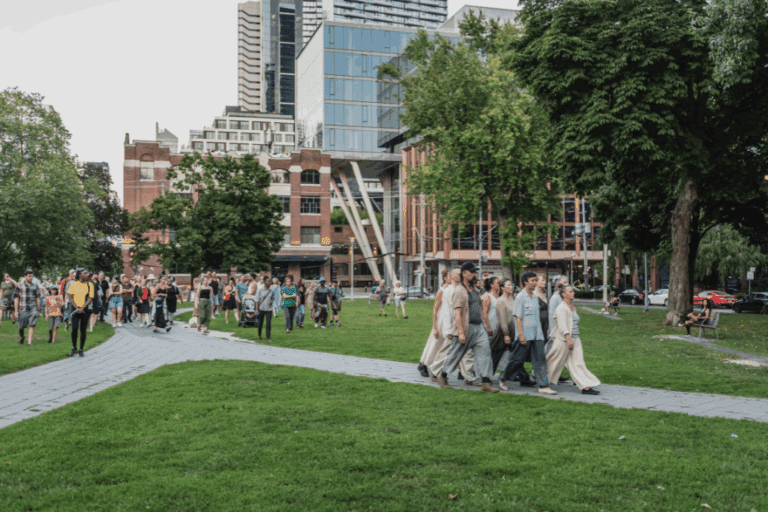 iPhoto caption: The company of 'Phalanax.' SummerWorks photo by Jae Yang.
The specter of death is omnipresent in Phalanx, one of the offerings at this August's SummerWorks Performance Festival. First presented by DNA Theatre in 1998, the current version was catalyzed in 2023, perhaps fittingly, by the passing of former artistic director Hillar Liitoja. I decided to document the creative process and to provide space for the artists involved to reflect on why they were doing the show and what they hoped to achieve.
 iPhoto caption: Photo by Jeremy Mimnagh.
Roberto Zucco marks a new era in Buddies’ history of queer theatre
Toronto theatre can be a bit risk-averse. Artistic directors, constrained by limited funding, program obvious crowd-pleasers over boundary-pushing experiments. Playwrights, afraid to ruffle feathers, create spaces that validate the public’s...
 iPhoto caption: Image courtesy of SummerWorks.
How SummerWorks confronts a theatre industry steeped in hustle culture
“As far as our sector goes, there’s this idea that how busy you are is a reflection of your values,” says director-dramaturg Harri Thomas. “We also tend to emphasize a person’s career over the body of work they’ve produced. There are certain things that we can do at a community level, particularly when it comes to resource sharing. But we also need to consider the fact that we operate in a scarcity environment where we’re so focused on individual shows that we often neglect the larger ecology.”
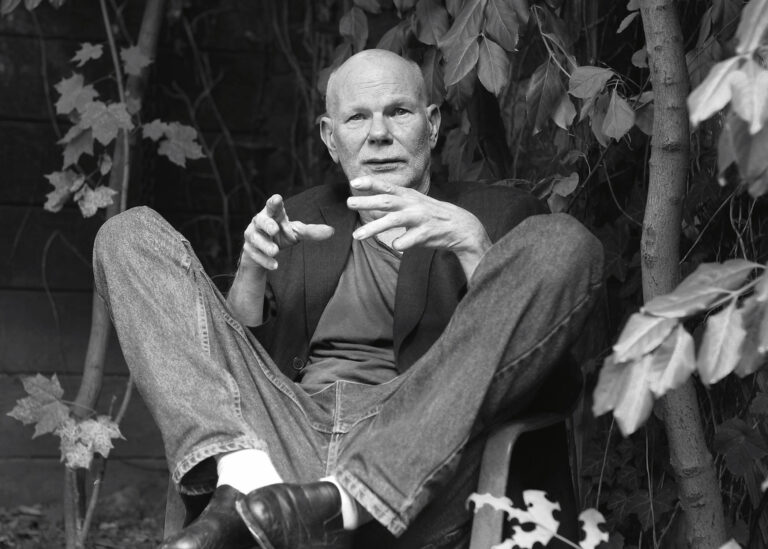
Director Hillar Liitoja was ‘pathologically uncompromising’ in his pursuit of great art
His creations brought together all the joy and terror and beauty and chaos of being alive.
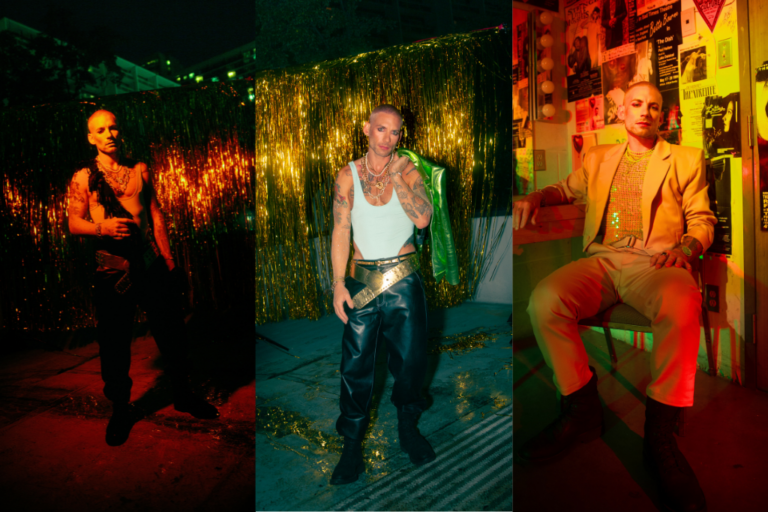
"Nightlife trends come and go," says witzel. "But there’s no reason a queer party space can’t be a creative site as well as a way to fund art."

‘It’s Definitely Worth the Trip’: In Conversation with The 39 Steps at County Stage
The two-time Tony-winning story will see its first ever site-specific outdoor production, courtesy of the County Stage Company.
Comments