
Review: Bat Out of Hell the Musical
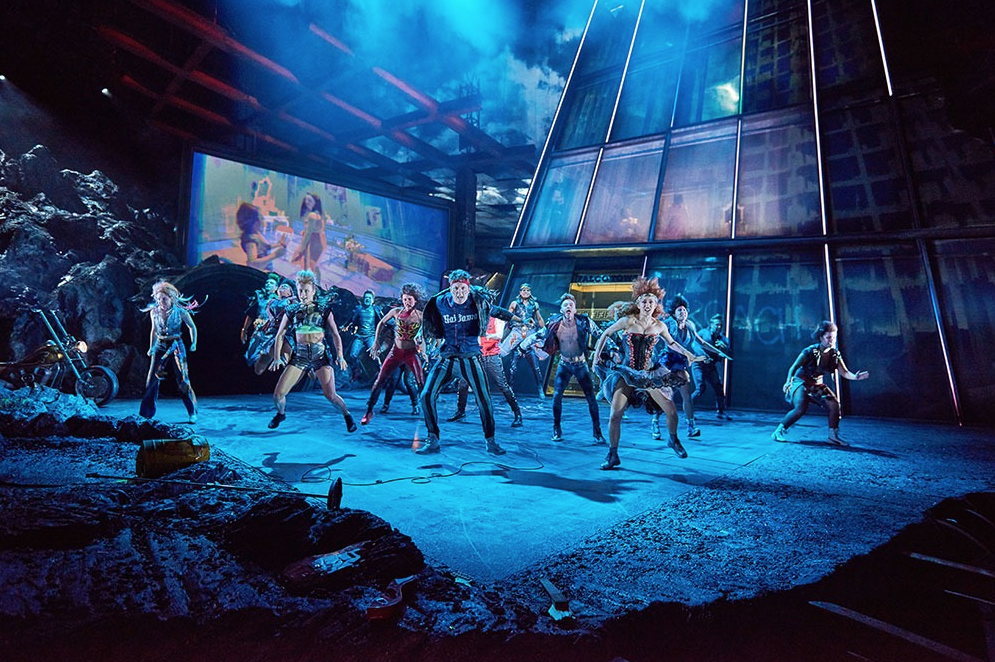 iPhoto caption: The cast of Bat Out of Hell the Musical. Photo by Specular
Bat Out of Hell the Musical
Mirvish
Book, music, and lyrics by Jim Steinman. Directed by Jay Scheib. At the Ed Mirvish Theatre. Runs until January 7.
The true star of this loud and hugely entertaining (if somewhat incoherent) rock and roll musical is Jim Steinman.
Bat Out of Hell is the latest example of a jukebox musical, told through songs that Steinman wrote for three of Meat Loaf’s albums of the same name in the 1970s.
It’s 2030. A tyrant named Falco (Rob Fowler) controls everything, including his daughter, Raven (Christina Bennington). About to turn eighteen, Raven is itching to get out of the house and explore. Falco is overprotective and won’t let her go.
Far below the city is a group of teens, called the Lost. Led by a man named Strat (Andrew Polec), these mutants mysteriously never age past eighteen. If you’re thinking Peter Pan and his band of lost boys as teenagers, you won’t get an argument from me—except now the boys have girlfriends who are lost too.
Twenty songs have been culled from the Bat Out of Hell albums, loosely telling the story of Strat and Raven falling in love as Falco tries to keep them apart. Meat Loaf favourites are certainly there: “Bat Out of Hell,” of course, “I Would Do Anything for Love,” “Two Out of Three Ain’t Bad,” “Paradise by the Dashboard Light.” But often the songs have nothing to do with the situation. Instead, it’s as though the creators thought those moments were good opportunities to slot in a rousing number, really just an excuse to sing. In a few cases, characters we know nothing about and have not seen much of begin singing an emotional love song. I had to wonder, “Who are you?” Logic is not a strong point here.
The production is a blast both figuratively and literally. It’s a rock musical. It’s loud, but the sound is clear and the cast have very strong singing voices. The staging, directed by Jay Scheib, is muscular, acrobatic, and never lets up. The energy is high, and Emma Portner’s rather robotic, arm-waving choreography keeps the cast moving at breakneck speed.
Jon Bausor’s set is huge, creating the cavernous, gloomy underground space of the Lost and the towering areas aboveground of Falco’s empire. Video feeds give us multiple views of what is going on onstage, often in close-up. Ordinarily this would have been distracting, but as this is a kind of rock-concert-musical, this deluge of stimulus seemed acceptable. Patrick Woodroffe’s lighting is dazzling and eye-popping. We are bombarded by shards of light from all over the theatre, and there are swooping illuminated bats and explosions of confetti.
I was never really a fan of Meat Loaf, but Steinman’s lyrics and music are terrific. He’s a very accomplished composer and lyricist with a deep affinity for poetry. I have newfound respect for this stuff.
Each song is like an emotional operatic aria hitting butt-clenching high-notes that make you wonder if the cast sucked a bit of helium to sing so high. The acting is awkward and wooden, but that’s irrelevant. The music is the reason we’re in the room.
Bat Out of Hell is fun, and you’ll come out humming the songs. What more could you want?
For tickets or more information, click here.

Lynn Slotkin
Lynn is the former theatre critic for Intermission, and currently writes reviews on her blog The Slotkin Letter. She also does theatre reviews, interviews, and commentary for CIUT Friday Morning (89.5 FM). She was a theatre reviewer for CBC's Here and Now for ten years. On average, she sees 280 shows a year.
LEARN MORE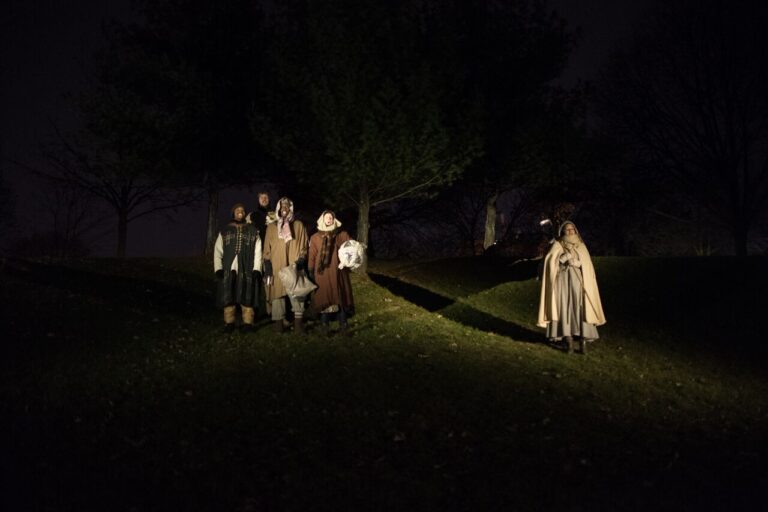 iPhoto caption: Marcel Stewart, Dan Mousseau, Christef Desir, Alex Bulmer, Shakura Dickson in The Story. Photo by Neil Silcox
It was frigid the night I saw the production, and when you are freezing and can’t feel your fingers or toes, time-wasting shenanigans wear thin.
 iPhoto caption: Lena Maripuu, Graham Conway, and Peter Pan ensemble. Photo by Nicholas Porteous
Joy to the world—the most inventive, lively, whimsical production of Peter Pan has arrived for the holidays!
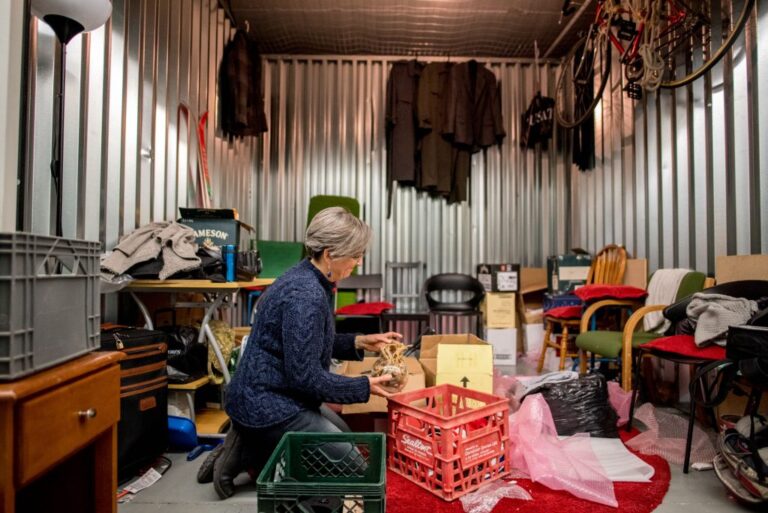 iPhoto caption: Robyn Stevan in The Mess. Photo by Dahlia Katz
Co-creators Mikaela Davies and Polly Phokeev have devised a short, complex, layered story of how the mess a person creates can affect those around them.
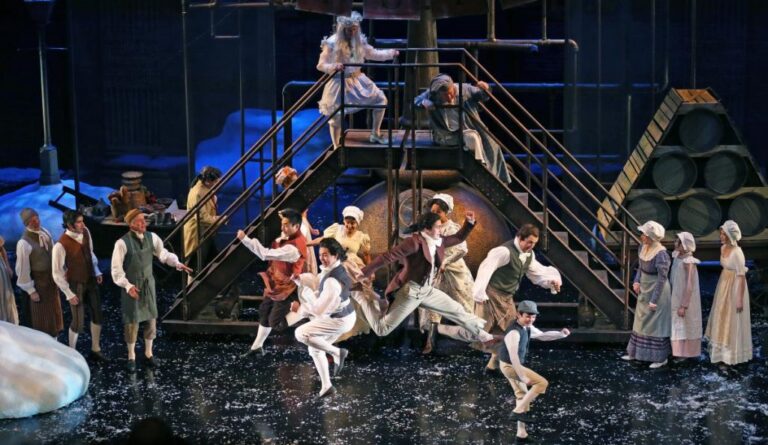 iPhoto caption: Company in the Grand Theatre's production of A Christmas Carol. Photo by Claus Andersen
Reviews: A Christmas Carol (x2)
Reviews of two productions of A Christmas Carol—Ross Petty Productions and the Grand Theatre, in London, Ont.—that couldn’t be more different.
 iPhoto caption: David Schurmann and Carly Street in Heisenberg. Photo by Cylla von Tiedemann
Of the three productions I’ve seen of Heisenberg—on Broadway in New York, the West End in London, and here in Toronto—this one is the best.
Comments