
REVIEW: Baram and Snieckus’ Big Stuff uses improv to explore the materiality of grief
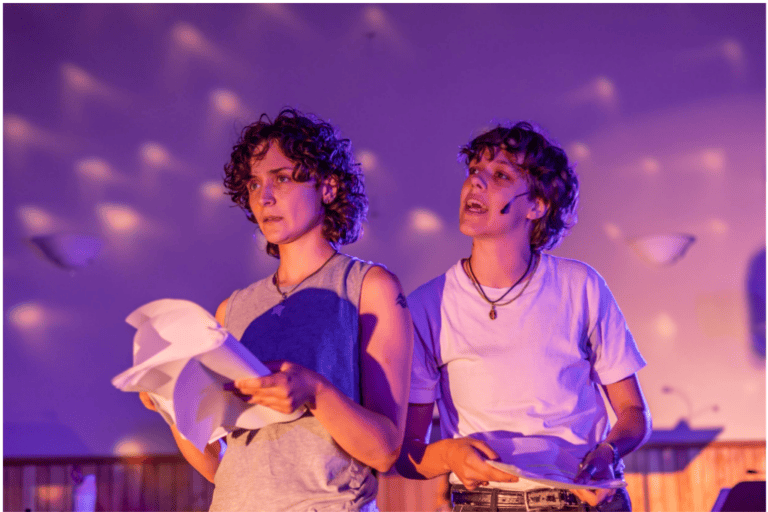
 iPhoto caption: Photo by Dahlia Katz.
Cardboard boxes housing an idiosyncratic array of objects including a pinprick portrait of a crying orphan, a wooden carving of a hunted owl, and a shiny fleet of toasters provide the backdrop for the world premiere of Big Stuff, produced and performed by married comedy duo Matt Baram and Naomi Snieckus in association with Crow’s Theatre. The hour-and-a-half two-hander, directed by co-creator Kat Sandler with set design by Michelle Tracey, investigates how seemingly useless items can serve as conduits for memory, particularly after the death of a loved one. This is charged subject matter — but Baram and Snieckus’ improvisation-infused, Second City-tested comic repartee keeps the show moving with delicious lightness.
The autobiographical premise: In the wake of their parents’ deaths, Baram wishes to trash many of the inherited belongings, while Snieckus is insistent on keeping them. This disagreement yields flashbacks explaining the various items’ significance (or lack thereof), a conceit that lets the couple dramatize key moments in their lives, from their first meeting to the final days of Snieckus’ father’s life.
Pens and paper populate the seats of the Crow’s Studio before the show begins. Once the audience arrives, printed instructions have us write down an item in our living space that reminds us of someone. Baram and Snieckus then collect the entries and incorporate them into the show, splitting up written scenes with brief audience interviews about the objects.
At the performance I attended, the crowd’s responses were often intensely personal, burrowing deep into family histories and tales of first love. Because of its focus on stuff, the play at first seems aimed at people old enough to have accumulated a large number of meaningful personal belongings. As a younger viewer, I wasn’t sure what to write down, and wouldn’t have had much to say if asked about my eventual choice. But the fact that others held forth with elegance on trinkets of such remarkability — a 200-strong collection of mini-elephants marched ahead of a rose petal enshrined in glass — helped me see relevance in the show’s concept.
A rather American forcefulness combines with a particularly Canadian commitment to self-deprecation in the performances of Baram and Snieckus, who are based in Toronto but recently lived in Los Angeles for several years. The blazer-and-glasses-clad Baram is neurotic and grounded, whereas Sniekcus, in a crewneck and button-down, comes off as compassionate but ever-so-slightly fiendish. The duo’s considerable rhythmic precision and kindly, fluid presence anchor the show, even when the ship drifts off course (at my performance, they at one point got lost in the script, having to converse with the stage manager before going back a few pages; they of course washed, peeled, and diced this mishap into a six-course meal).
The synopsis on the Crow’s website discusses the duo’s “distinct blend of storytelling and improvisation,” and, indeed, Big Stuff owns property near that porous border between comedy and theatre. Baram and Snieckus provide the comic chops, while Sandler brings in much of the staginess, coordinating shifts in lighting (by Emilie Trimbee) and sound (by Tim Lindsay) to signpost the beginning and end of different timelines. The show even draws attention to the tension between the art forms; a few times, after a section of improvisation, Baram and Snieckus return to the text of a scripted scene but act as if they’ve forgotten to do the blocking before hastily acknowledging this discrepancy and returning to the correct physical spot.
If the show falters, the tumult lies in its conclusion, which seems to me oddly neat, given the show’s discursive structure. In it, Baram and Snieckus appear eager to offer a final argument regarding the usefulness of their stuff. But this spelled-out rhetoric is less powerful than the subtext that’s been building over the piece’s runtime: That these objects are valuable because they inspired this exceptional show.
Big Stuff runs at Crow’s Theatre until December 8. Tickets are available here.
Intermission reviews are independent and unrelated to Intermission’s partnered content. Learn more about Intermission’s partnership model here.
Liam Donovan
Liam is Intermission’s senior editor. He lives in Toronto. His Substack newsletter is available at loamdonovan.substack.com.
LEARN MORE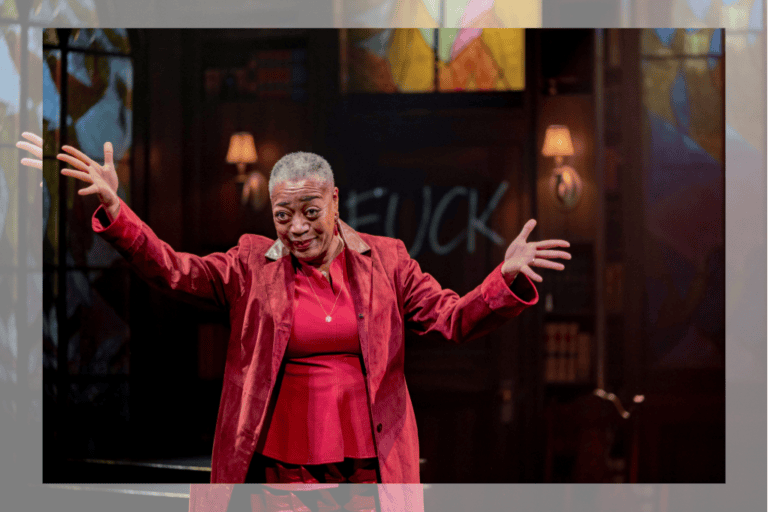 iPhoto caption: Karen Robinson in 'Prophetess.' Photo by Jae Yang.
REVIEW: In Tarragon’s outstanding Prophetess, language is both mighty and inadequate
Margaret’s facility with text helps her maneuver through an institution like York University, where words hold significant power. But the brilliant middle-aged scholar finds herself surprisingly unequipped to process the true sense of more elemental forces: love, grief, spiders.
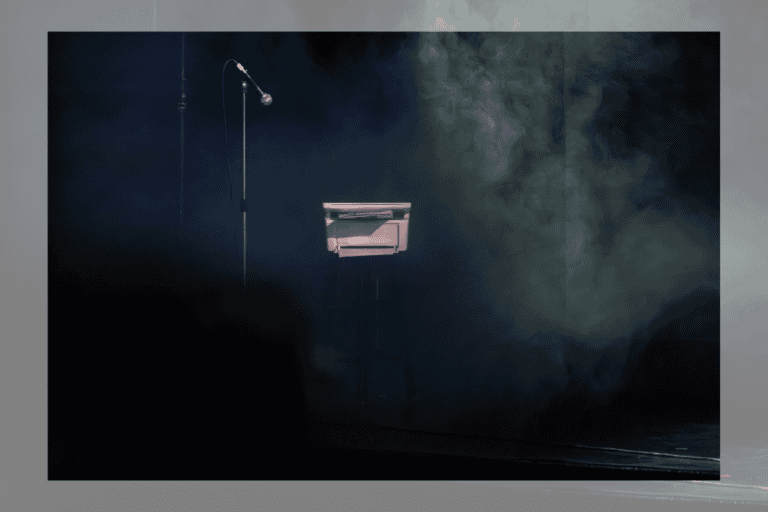 iPhoto caption: 'Documents Perform 3.' Photo by T Photo Factory.
Joining online from across the Americas, more than a dozen artists, artistic producers, cultural leaders, and policymakers add live suggestions to the document, together transforming stuffy bureaucratic language into a rowdy patchwork of compassionate imagining.
 iPhoto caption: Stratford's Tom Patterson Theatre. Photo by Ann Baggley.
2027 highlights include a new Canadian Jacob Two-Two musical and two of the Bard’s thornier plays: The Merchant of Venice and The Taming of the Shrew.
 iPhoto caption: Devon Michael Brown as Rusty Charlie with members of the 'Guys and Dolls' company.
“It's so exhausting, but it's really rewarding when you get to dance so full-out,” says Devon Michael Brown. “You get to use your technique and your training to the fullest extent.”
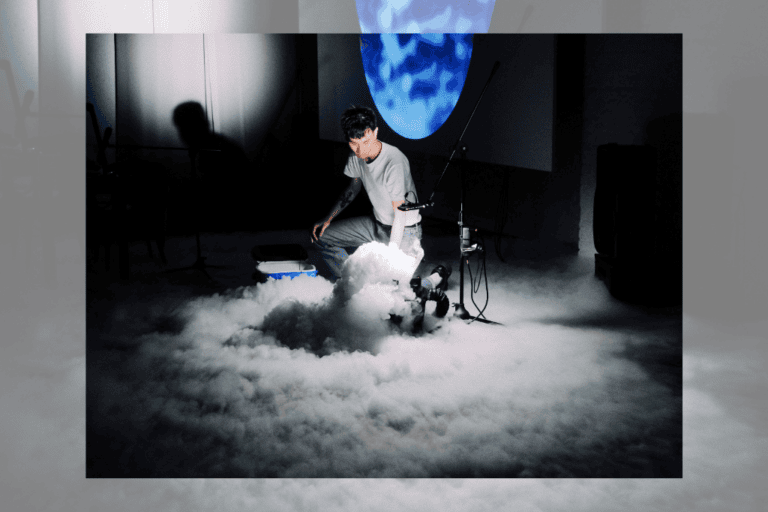 iPhoto caption: Ping-Hsiang Wang in 'Retina Maneuver.' Photo by Hang Su.
REVIEW: At this year’s SummerWorks Performance Festival, physical storytelling is central
From a dancer becoming a canine to a shy theatre director practicing his swordsmanship, the shows I’ve seen so far use performers’ bodies to dramatize defiance.
 iPhoto caption: Anna Morreale and Luca McPhee perform in 'From Stardust' at the 2025 MADGEN Theatre Festival. Photo by Dave Klassen.
MADGEN Theatre Festival returns to the Danforth
Theatre of the Beat selected four producers under the age of 30 to receive paid mentorship from Toronto theatre-makers. From August 20 to 22, each member of the cohort mounts a new one-act Canadian play.
Comments