
REVIEW: Bad New Days’ Last Landscape unearths raw feelings about the natural world
 iPhoto caption: Photo by Fran Chudnoff.
The stage feels as desolate as a downtown construction site. Clad in utilitarian coveralls, nameless workers (performed by Nada Abusaleh, Nicolas Eddie, Gibum Dante Lim, Annie Luján, and Kari Pederson) haul found objects into place.
Then: a light flickers on and the tableau snaps into focus. It’s a relief, like taking in a lungful of mountain air.
Too soon, the scene is dismantled. We feel its loss. The cycle begins again.
Conceptualized and directed by Adam Paolozza through the framework of post-humanist philosophy, Last Landscape uses physical theatre, puppetry, and found objects to erode the boundaries between art and nature, human and environment. (Though performed at Buddies in Bad Times Theatre, the show is produced by Bad New Days in partnership with Common Boots Theatre.)
We begin in a future that looks very much like today. It’s probably the end of the world. Domestic drudgery proceeds amid the dystopian drone of TikTok and breaking news reports. Something sinister is brewing — and very soon the world as we know it comes crashing down.
From there, the action unfolds as several plays-within-a-play, staging the attempts by a group of workers to resurrect their lost reality. Leaning into the concept’s metatheatrical resonances, Last Landscape cleverly contrasts a blank playing space with immersive built environments. As we watch the workers meticulously reconstruct elements of the natural world, we wonder what they are hoping to find in fiction. As theatre-goers, we might ask the same of ourselves.
While complex in its exploration of radical sustainability, Last Landscape is not constrained by heady commentary. In fact, the play includes no words at all (although comprehensive paratextual material is available in the program). Last Landscape instead extends an invitation to divest from narrative logic, advancing at a meditative pace. As each landscape comes to life, vitalized through sensory scenic design by Ken MacKenzie and ambient sound design and live turntablism by SlowPitchSound, we adjust to new rhythms, embracing plant and animal temporalities.
The show’s magic resides in its transformation of familiar environments into touching spectacles. Through playful and often humorous use of props and puppets (the Dog and Geese puppets designed by Puppetmongers Theatre were particular favourites), the cast inspires a sense of childlike wonder for the natural world. Every detail takes on monumental importance. Indeed, even deceptively simple movements earn laughs of recognition from the audience, as if to say: That is what a dog does, and we are so genuinely delighted by it!
Post-intermission, however, Last Landscape’s creations evolve into increasingly alien forms, no longer drawing on feelings of familiarity or nostalgia. Notes in the program offer a couple hypotheses as to what we’re seeing — but this latter half of the show works well on its own terms, if you’re willing to let go of a rationalizing impulse. Regardless, the 10-foot-tall giant sloth puppet, an impressive technical feat designed by Graeme Black Robinson and puppeteered by Nicholas Eddie, maintains the enchantment of earlier scenes.
Still, Bad New Days’ innovative approach to theatre — here grounded in eco-dramaturgy — is not without its challenges for audiences and practitioners. If what I’ve described sounds slightly monotonous: yes. In his director’s note, Paolozza references the tranquility he feels when thinking through geologic time and his desire to afford audiences a similar experience. Bad New Days encourages us to decentre humanity in our engagement with storytelling, a process that involves relinquishing many of our aesthetic and narrative expectations, including conceptions of pacing and resolution. This form of spectatorship may take some practice. I admit, I felt my stamina flagging after intermission, as it’s wont to do during a long meditation.
Even with an eco-dramaturgical ethos in mind, there may be opportunities for Last Landscape to achieve a tighter structure, without compromising the languorous beauty of its constructed scenery. Scene transitions, for instance, are not excluded from the show’s leisurely pace. Repetitive physical gags performed by the workers lend their stage business a lighthearted sensibility but also eat up the running time (already lengthy at nearly two hours). Assembly of the penultimate scene felt particularly drawn out — and the resulting creation fell somewhat short of the high standard Last Landscape had already set for enthralling design.
Despite a frightening — and all too realistic — premise, this wholly original production never reads as cynical. Bittersweet longing saturates the show, a complicated emotion that feels like hope without promising any solution for our troubled times. The workers’ attempts to reverse environmental degradation do not work, and the inadequacy of an electric light to approximate the sun is both crushing and endearing. But as long as we’re around, Last Landscape suggests, we’ll seek warmth.
Last Landscape runs at Buddies in Bad Times Theatre until January 26. Tickets are available here.
Intermission reviews are independent and unrelated to Intermission’s partnered content. Learn more about Intermission’s partnership model here.

Ferron Delcy
Ferron Delcy is pursuing her PhD in early modern literature at the University of Toronto. In 2024, Ferron participated in the New Young Reviewers program facilitated by Toronto Fringe and Intermission. She is a big fan of ghost stories, fog machines, and weird metaphors.
LEARN MORE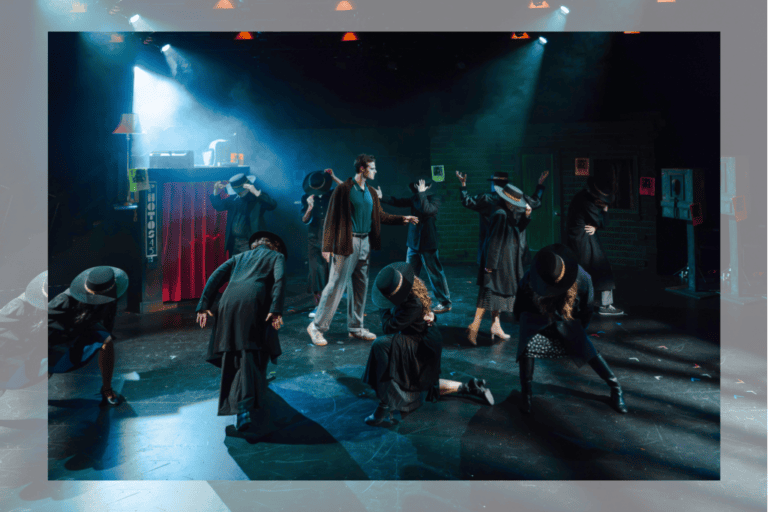 iPhoto caption: Graysen LaPointe and the company of 'Amélie.' Photo by Taylor Long.
REVIEW: Shifting Ground Collective’s Amélie is vivid and endearingly earnest
There’s an overwhelming sincerity to this production that, at times, overwrites the offbeat sensibility of the original film — although, I suspect that Anglicization and a shift to musical theatre conventions have something to do with this tonal incongruity as well.
 iPhoto caption: Karen Robinson in a promo photo for 'Prophetess.' Photo by Dahlia Katz.
When I spoke to actor Karen Robinson and playwright Ho Ka Kei about Prophetess' upcoming world premiere, they described an artistic process grounded in care and collaboration. Ho had long wanted to write the part of Queen Margaret for Robinson, and he framed the “love letter aspect” of writing for people he holds dear as key to the play’s origin story.
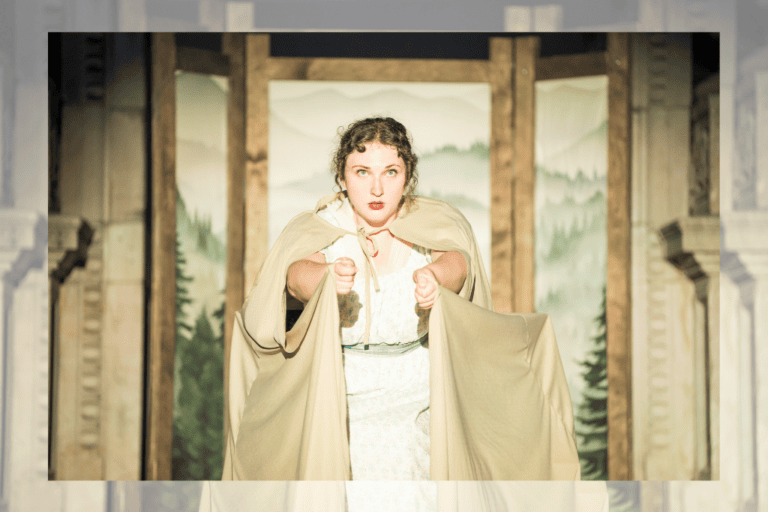 iPhoto caption: Georgia Findlay in 'Northanger Abbey.' Photo by Raph Nogal.
REVIEW: GFT’s Northanger Abbey embodies the delights and absurdities of Gothic fiction
Handwringing over popular fiction is hardly a thing of the past, as present panic about Romantasy attests. Unsurprisingly, both genres have a reputation for attracting women readers. Tyler J. Seguin’s Northanger Abbey displays how legitimate literary criticism can devolve into worrying that women are having too much fun.
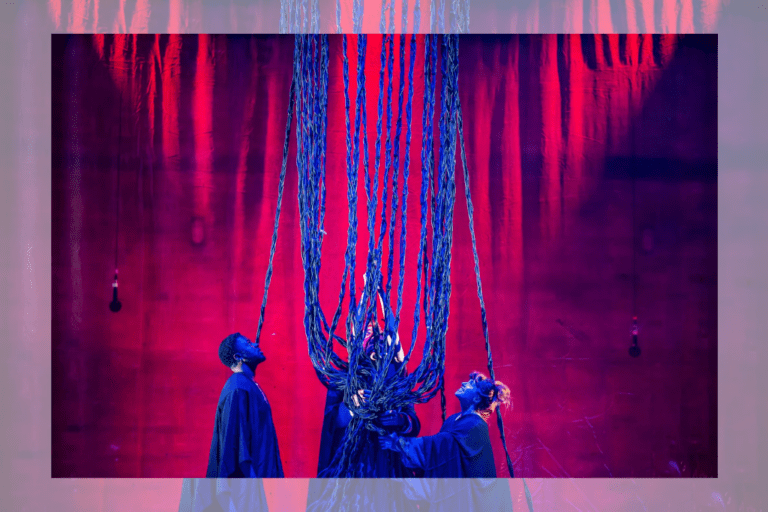 iPhoto caption: Members of the company of 'Medusa.' Photo by Dahlia Katz.
REVIEW: Soulpepper’s Medusa creates a mess it refuses to tidy
Speaking in sibilant murmurs via headsets wired into each seat of the Baillie Theatre, a chorus of intimate voices infiltrates the audience experience, drowning out dialogue and weaving an overstimulating soundscape.
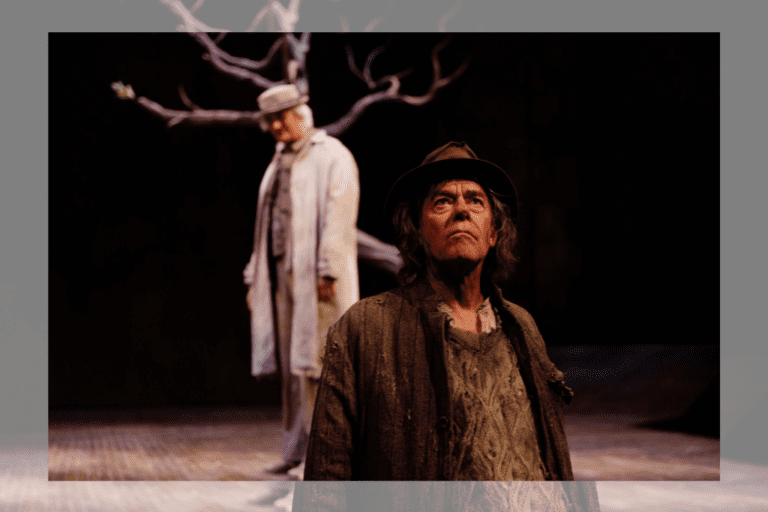 iPhoto caption: Paul Gross and Tom McCamus in 'Waiting for Godot.' Photo by David Hou.
REVIEW: Stratford Festival’s Waiting for Godot never feels fully its own
Tom McCamus' and Paul Gross' performances are clear and intentional. Nonetheless, I struggled to connect with this production.
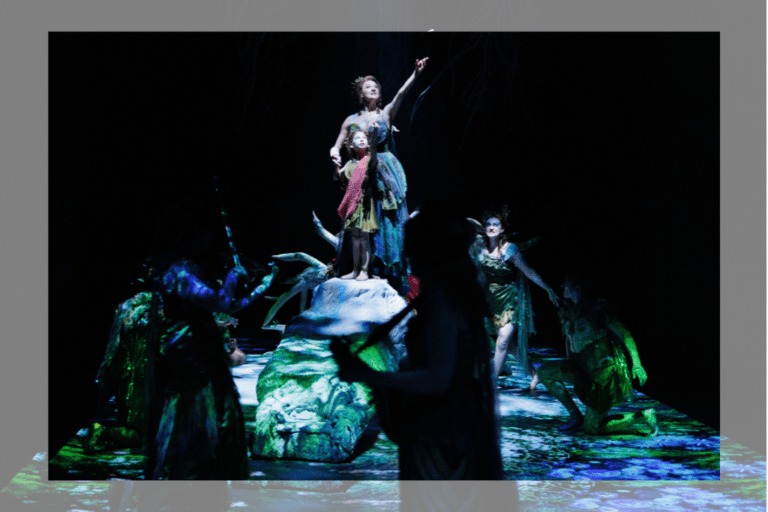 iPhoto caption: Members of the company of 'A Midsummer Night's Dream.' Photo by David Hou.
Developed in collaboration with Groundling Theatre, this A Midsummer Night’s Dream revels in the plights of its love-drugged protagonists through clever clowning, live music, and an animated landscape.
Comments