
REVIEW: GFT’s Northanger Abbey embodies the delights and absurdities of Gothic fiction
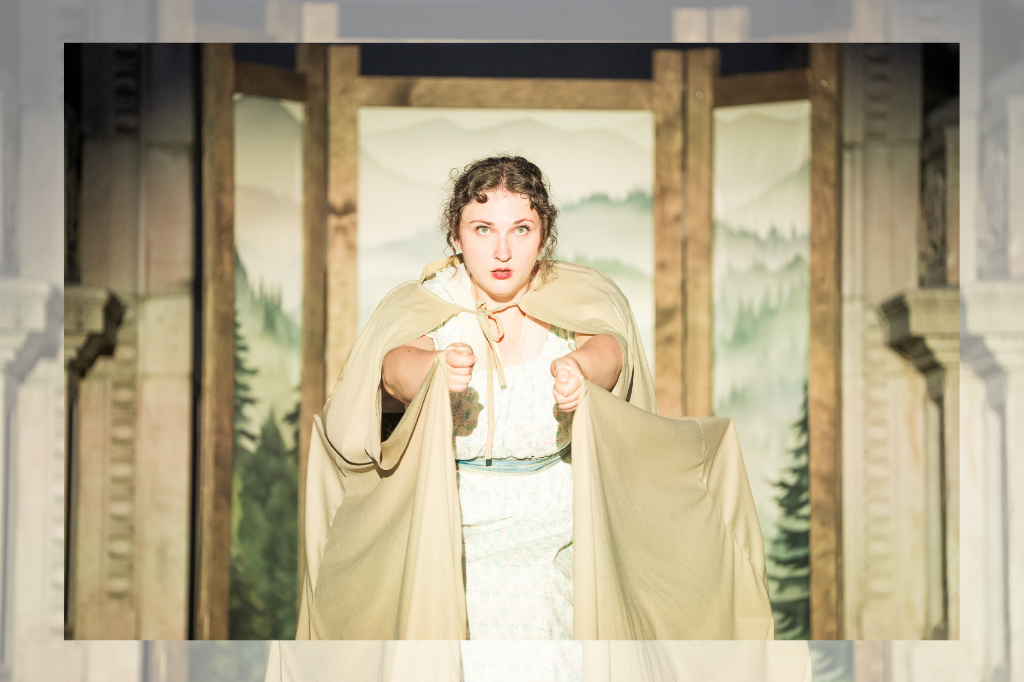 iPhoto caption: Georgia Findlay in 'Northanger Abbey.' Photo by Raph Nogal.
It’s the most Austenian of social dilemmas: Catherine Moreland (Georgia Findlay) has accidentally stood up her new friend, Eleanor Tilney (Kiana Woo), with whom she intended to go for a walk. Mortifying! And, somehow, an essential domino in the hilariously cascading plot of Northanger Abbey: A Most Horrid Mystery, based on Jane Austen’s novel parodying the Gothic genre.
Adapter and director Tyler J. Seguin, in his final season as artistic director of Guild Festival Theatre, captures Austen’s sardonic wit using clever stagecraft set at a galloping pace. Ensemble actors Isaiah Kolundzic, Andrew Prashad, and Woo portray the impressive litany of characters Catherine meets on her trip to Bath and, finally, the sinister Northanger Abbey. As direct address from Catherine to the audience indicates, we’re viewing these stock Regency characters via her Gothic-influenced perspective: they’re rakes, victims, trollops, innocents, tyrants, and romantic heroes. Catherine casts herself, of course, as the damsel confronted with a dastardly mystery.
Kolundzic, Prashad, and Woo’s clowning forms the engine of the show, and they approach their performances with a precise sense of voice and physicality. Kolundzic is especially delightful, with his moustache-twitching, bleating General Tilney; love-stricken Scotsman; and ringleted, busybody chaperone Mrs. Allen. Striking costumes by Alex Amini support the actors in defining their characters — I was enamoured with the foppish, lacy cravat and pink hat ribbon Prashad wears as John Thorpe.
These costumes also participate in the show’s physical gags, as in a scene where Kolundzic and Woo take turns playing the Porter by passing off his cloak. Seguin provides plenty such opportunities for his cast to showcase their talents, staging sequences of impressively quick character transformations: in one scene portraying the social dynamics of a gossipy Pump Room, the ensemble shifts costumes every few seconds, passing behind a partition in rotation; in a later scene intended to help the audience keep track of names, performers identify their characters at an increasingly rapid-fire pace.
Findlay, fulfilling the obligatory straight man counterpart to this comedic chaos, plays Catherine with a charming mix of naivete and titillation. Much sighing, squealing, and faux-revulsion passes between Catherine and her equally novel-loving friend, Isabella Thorpe (Woo), as they shiver at the very thought of finding themselves in so horrid a tale as The Mysteries of Udolpho.
A picturesque playing space, the outdoor Greek Theatre naturally lends itself to what the Guild Festival Theatre has named their “Gothic girl summer” (their season opened with Bronte: A World Without). Reassembled from the remains of a 1913 Bank of Toronto building, lofty columns and baroque sculpture ornament the stone stage. That doesn’t mean, however, that an adaptation of Northanger Abbey wouldn’t have its scenic challenges. In addition to its sprawling manor, masquerade balls, society sitting rooms, and many, many, carriage rides make up the play’s geography. But thanks to Elisia Evans’ economical production design and Seguin’s direction, locations change as breezily as the ensemble sheds characters. And the 7:30 pm show I attended was calibrated so that night began to fall just as we arrived at the titular manor house, with its secret passageways, thorny garden paths, and rumoured ghost.
Austen wrote Northanger Abbey from within a culture anxious about the Gothic genre’s commercial success and sensational content. Samuel Taylor Coleridge’s scathing 1797 review of The Monk, for instance, hoped that, “wearied with fiends, incomprehensible characters, with shrieks, murders, and subterraneous dungeons, the public will learn… with how little expense of thought or imagination this species of composition is manufactured.” Handwringing over popular fiction is hardly a thing of the past, as present panic about Romantasy attests. Unsurprisingly, both genres have a reputation for attracting women readers. Seguin’s Northanger Abbey displays how legitimate literary criticism can devolve into worrying that women are having too much fun.
Austen’s parody gestures toward her own complaints about the Gothic — in Seguin’s production these feel lighthearted, balancing a farcical exaggeration of Catherine’s Gothic world with her contagious enthusiasm for its intrigue. Rather than skewering the Gothic, the production incites a craving for more melodrama. I certainly walked away with a greater appreciation of genre fiction’s delights and absurdities.
Northanger Abbey runs at Guild Festival Theatre until August 23. More information is available here.
Intermission reviews are independent and unrelated to Intermission’s partnered content. Learn more about Intermission’s partnership model here.

Ferron Delcy
Ferron Delcy is pursuing her PhD in early modern literature at the University of Toronto. In 2024, Ferron participated in the New Young Reviewers program facilitated by Toronto Fringe and Intermission. She is a big fan of ghost stories, fog machines, and weird metaphors.
LEARN MORE iPhoto caption: Karen Robinson in a promo photo for 'Prophetess.' Photo by Dahlia Katz.
When I spoke to actor Karen Robinson and playwright Ho Ka Kei about Prophetess' upcoming world premiere, they described an artistic process grounded in care and collaboration. Ho had long wanted to write the part of Queen Margaret for Robinson, and he framed the “love letter aspect” of writing for people he holds dear as key to the play’s origin story.
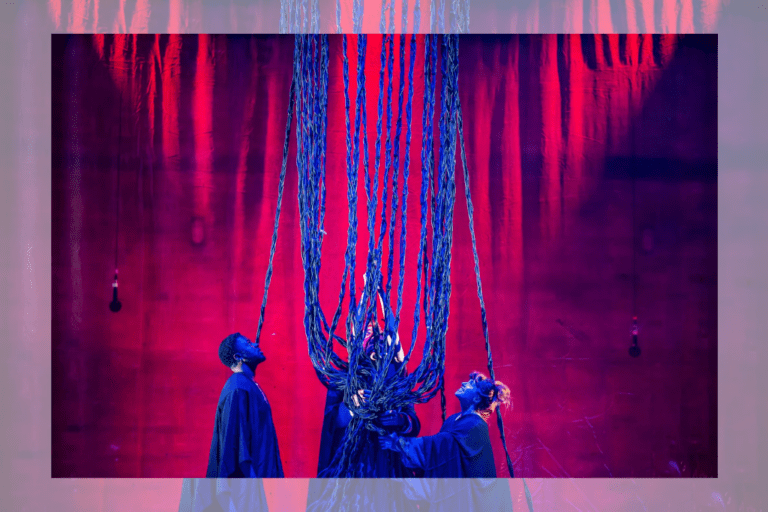 iPhoto caption: Members of the company of 'Medusa.' Photo by Dahlia Katz.
REVIEW: Soulpepper’s Medusa creates a mess it refuses to tidy
Speaking in sibilant murmurs via headsets wired into each seat of the Baillie Theatre, a chorus of intimate voices infiltrates the audience experience, drowning out dialogue and weaving an overstimulating soundscape.
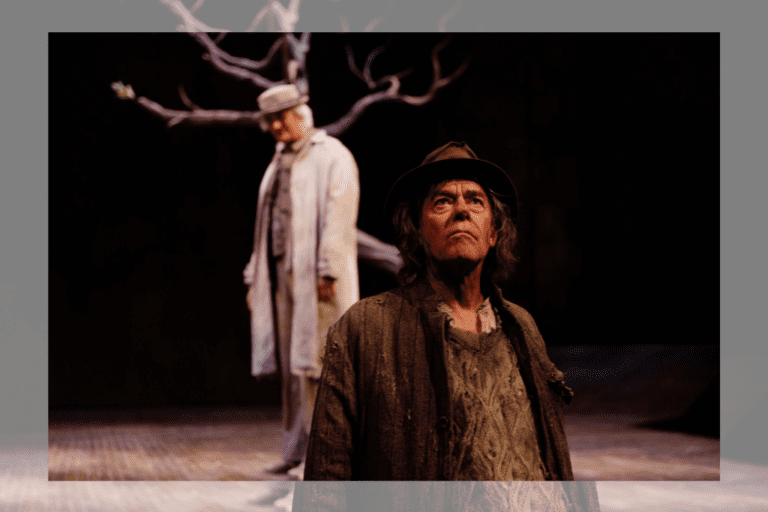 iPhoto caption: Paul Gross and Tom McCamus in 'Waiting for Godot.' Photo by David Hou.
REVIEW: Stratford Festival’s Waiting for Godot never feels fully its own
Tom McCamus' and Paul Gross' performances are clear and intentional. Nonetheless, I struggled to connect with this production.
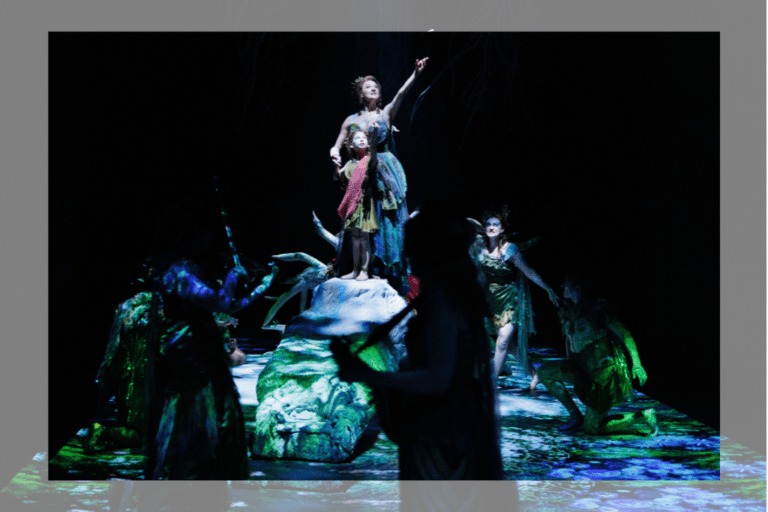 iPhoto caption: Members of the company of 'A Midsummer Night's Dream.' Photo by David Hou.
Developed in collaboration with Groundling Theatre, this A Midsummer Night’s Dream revels in the plights of its love-drugged protagonists through clever clowning, live music, and an animated landscape.
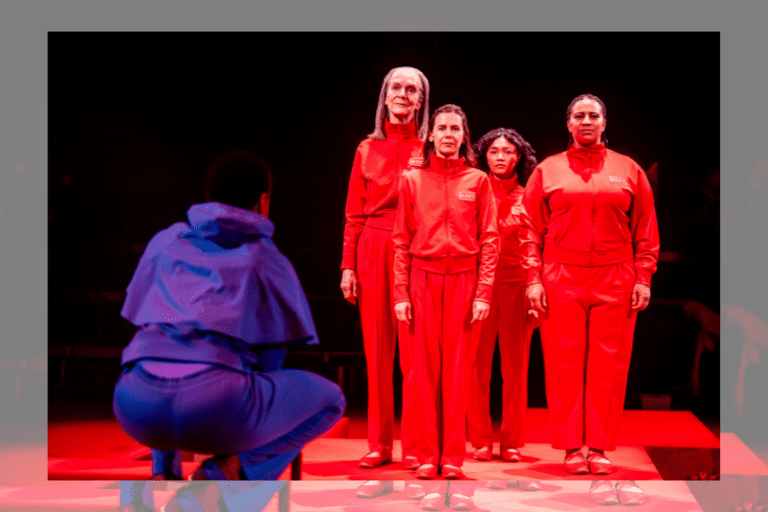 iPhoto caption: Amaka Umeh, Nancy Palk, Michelle Monteith, Belinda Corpuz, and Sabryn Rock in 'Mary, Mary, Mary, Mary.' Photo by Dahlia Katz.
REVIEW: Erin Shields’ Mary, Mary, Mary, Mary is brash, funny, and message-forward
At Crow’s Theatre, Mary, Mary, Mary, Mary is a sensory feast fit for any house of worship. But with so much material, and only 95 minutes, I’m left feeling that the Marys have more yet to say.
 iPhoto caption: William Ellis and members of the company of 'The Herald. Photo by Albert Hoang.
REVIEW: Jill Connell’s The Herald has a lot to say about potential
There’s so much to love about this smart, strange, and achingly lyrical exploration of labour and purpose. Dramaturgical intentionality falters, however, in the details.
Comments